Procurement
Procurement Negotiation: How to Make It a Win-Win


You've been there before: It’s time to negotiate with the next supplier, and you’re dreading it. The boss chose you as the lead negotiator even though you feel you’re the weakest negotiator on the team.
To make matters worse, the boss said that the results of this negotiation would figure prominently in your next review. Doing well can be the difference between a promising future with the company or years of mediocrity for you...
No pressure.
Fortunately, there are tools and knowledge available to make your next procurement negotiation successful and productive. Let’s look at how you can handle procurement negotiation like a pro, so it’s a win-win for everyone.
Procurement Negotiation Basics
Negotiation is a conversation to reach an agreement. Procurement negotiation is a process by which professionals engage with each other to create agreeable terms for a contract.
Both parties typically discuss pricing, payment, delivery date, and timeline. Ideally, the negotiations should consider the best options for both parties to build strong relationships that lead to long-term business.
Ultimately, this creates a win-win result for both parties.
In reality, procurement negotiations don’t always work out so easily or successfully. Those who enter into the negotiation often might not think about what’s best for everybody. Instead, they may be thinking about what’s best for themselves.
With that in mind, it’s important to learn all you can about who you’re negotiating with and their true objectives. A good way to do that is to understand the different styles of negotiation that people use. That way, you're ready for whatever comes your way.

5 Styles of Negotiation
Knowing and understanding negotiation styles will help you understand how your supplier will try to achieve their goals. You should also know your own business and vendor goals. You should also know your negotiating style. You’ll be better informed and ready for any situation during the negotiation process if you do.
It’s important to remember that the negotiation has two elements: the relationship and the outcome. And the styles of negotiation are based on which element the negotiator values more. These are the 5 negotiation styles:
- Competition: Negotiators who use a competition style value the negotiation outcome more than the relationship between the two parties. Negotiators who use this style are looking to win the negotiation and want the other party to lose. Usually, negotiators who favor this style will do anything to get the win.
- Collaboration: Collaborators value outcome and relationship equally because they believe both are important. They want a win-win outcome and a long-term relationship. And they'll work hard to achieve both.
- Compromise: While compromisers value outcome and relationship, they are willing to sacrifice a little of each to reach an agreement. They believe in winning some of what they want while losing a little bit of it.
- Accommodation: Accommodators value the relationship more than the outcome and are willing to lose the negotiation. The result is a “you win, and I lose” style. This is the opposite of the competitive style.
- Avoidance: With this style, the negotiator doesn't value the outcome or the relationship. It can simply be considered a “lose-lose” model with the party withdrawing from the negotiation.
It’s important to know that each negotiation style has advantages and disadvantages. Using them depends on the goals you and the other party want to achieve. In a best-case scenario, the goals will be the same.
If the goals aren't the same, you may need to adjust your approach. The other party may do something unexpected, so you must be ready to shift strategies. That’s why it's imperative to plan and know the 7 stages of procurement negotiation. With these tools in your toolbox, you'll be ready to adapt toward success as you negotate.
7 Stages of Procurement Negotiation
When entering into any procurement negotiation, there are 7 stages to the process. Knowing these 7 stages can help you plan and be ready, so that the negotiation has the greatest chance of success.
- Preparation: Thorough preparation is extremely important. This is when you acknowledge your negotiation style first. Then, you decide on the relationship and outcome you expect to achieve with the other party. You should also research the other party and, if possible, learn what negotiation style they typically use.
- Opening: During the opening, the parties state the goals of the negotiation. This is when you can discover if the relationship and outcome expectations match.
- Testing: As the name implies, both parties are “testing” each other to understand each party's values. Good communication and listening skills are key to this step. Paying attention during this stage can help you find opportunities.
- Proposing: Both parties propose what they expect to achieve at this stage. It’s also a time when you and your team may want to think about modifications to your strategy based on the proposal from the other party.
- ** Bargaining**: Based on what has been said, both parties should offer compromises if needed. Ideally, any compromises should be equal and agreeable to both parties. For example, look for opportunities to cut procurement costs on both sides. This way, everyone's paying the optimal price for the good or service.
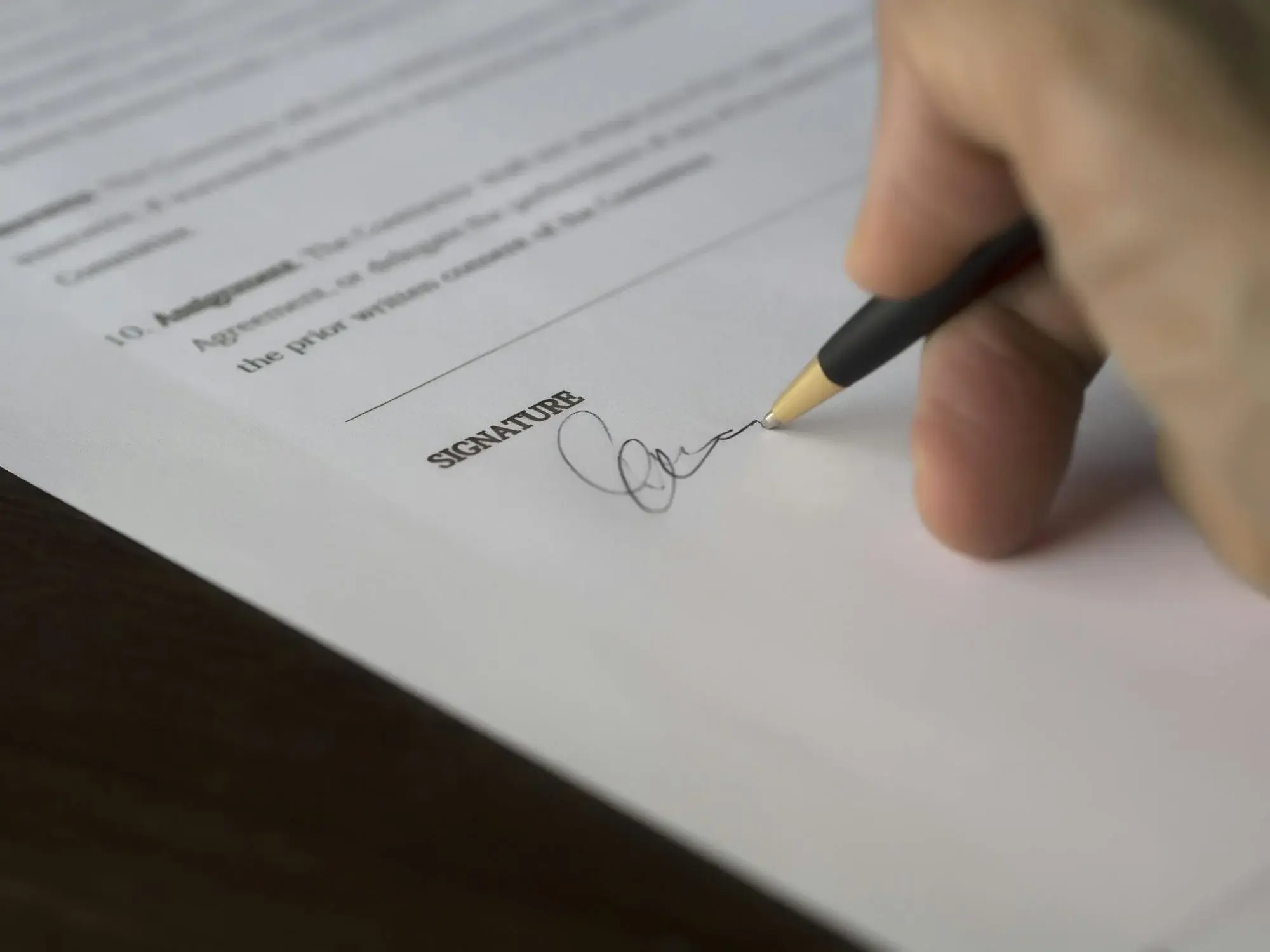
- Agreement: Once compromises are reached, the parties can make an agreement. When both parties accept the agreement and sign, the procurement contract becomes a legally binding document.
- Closure: Both parties receive documentation and contracts from the previous stages for their records. After this stage, the negotiation is complete.
How to Successfully Navigating Procurement Negotiation
Procurement negotiation does not have to be an intimidating process. Each party needs the other to succeed. As long as you understand the dynamic, you can set yourself on the path to success.
The main points to remember are:
- Acknowledge your goals regarding the outcomes and relationships you expect to achieve with the other party.
- Know your negotiation style and, if possible, the other party's style.
- Understand the 7 stages of procurement negotiation to plan properly for a smooth and successful process.
Following these steps will give you the best chance of a successful, “win-win” procurement negotiation.
If your business is looking for ways to make procurement more efficient, Quandary can help.
We help businesses reduce time-consuming and menial tasks using low code platforms. And we provide insights to help them streamline processes, reduce costs, and get more out of their procurement processes.
See how we've helped our clients improve their businesses and get insane ROIs by checking out our case studies below.