
Knowledge Base
Articles In This Section
How to Automatically Import CSV Files into Quickbase Using SyncHow to Use Google Maps for Data VisualizationHow to use the Quickbase Power BI connectorHow to Create High-Quality Quickbase Forms10 Quickbase Application Best Practices How to Use Formulas + Webhooks for Dynamic Quickbase Record CreationHow to Set Up Notifications in Quickbase How to Log Quickbase Emails using WorkatoQuickbase Developers’ Guide: Webhooks 101 | BEGINNERQuickbase Home Pages: Uses and Functionality | INTERMEDIATE TO ADVANCEDHow to Implement a Custom Import in QuickbaseSections
How to Automate PDF Data Extraction into Quickbase Using Docparser & Workato
Quickbase is a powerful platform for managing large volumes of data. Tools like forms, imports, and automations make data entry efficient and scalable for most use cases.
However, each method has limitations:
- Forms: Only allow one record at a time
- Automations: Require access to external systems
- Imports: Depend on structured flat files (like CSVs)
So what happens when a client sends critical data in a PDF format only, and you don’t have system access? This is a common challenge for teams using Quickbase, especially in consulting, operations, and data management roles.
How to Get Data from PDFs into Quickbase
If your client provides data exclusively via PDF:
- You can’t use automations (no system access)
- You can’t use imports (no flat file)
- You’re left with manual form entry, which is:
- Time-consuming
- Error-prone
- Not scalable
For organizations handling high volumes of documents, this quickly becomes inefficient.
The Solution: Automating PDF Data Extraction into Quickbase
To streamline this process, you can use a combination of:
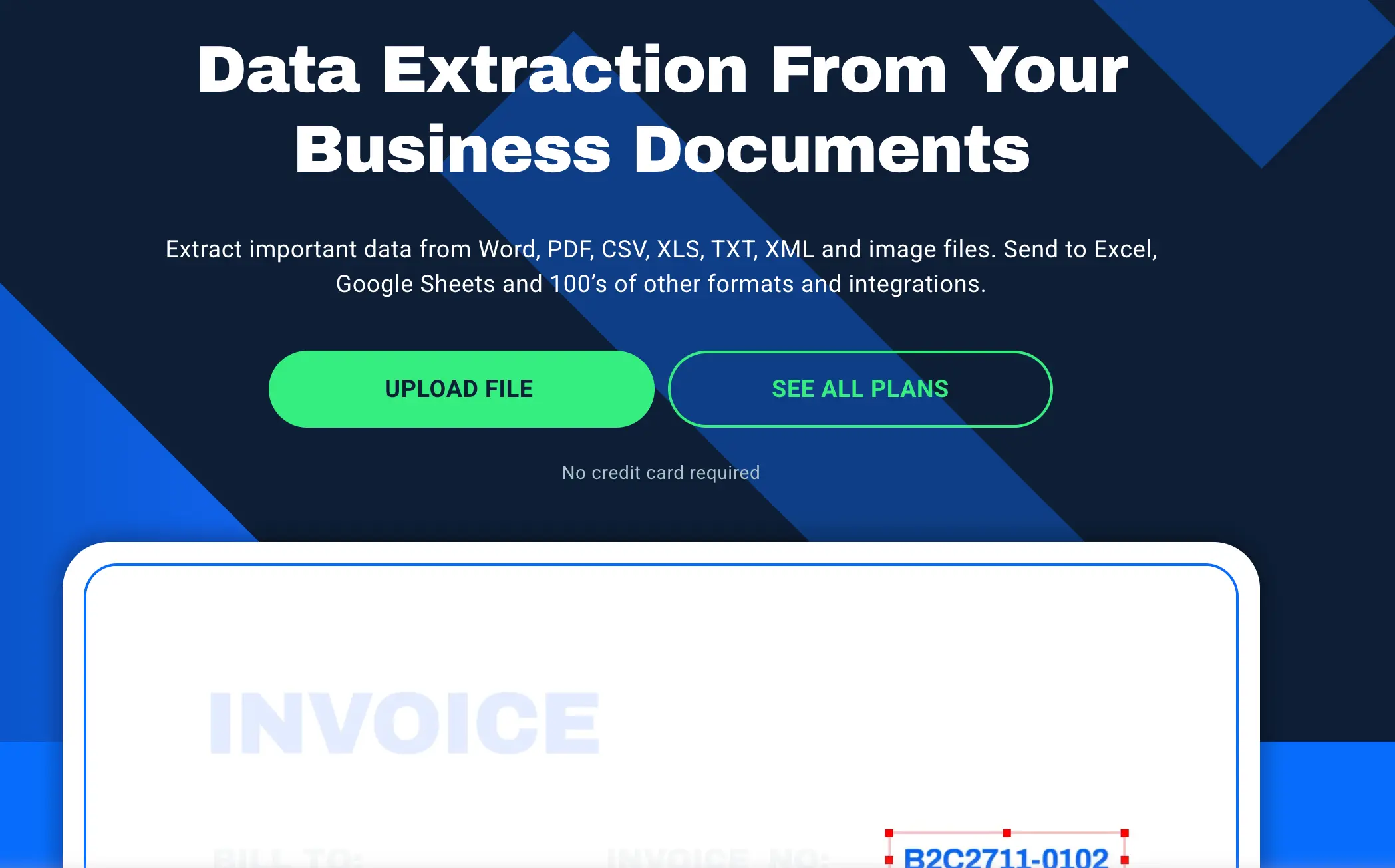
What is Docparser?
Docparser is a document data extraction tool—basically, software that pulls structured data out of documents like PDFs, Word files, or scanned images.
Instead of manually copying info (like invoice numbers, dates, totals, or contact details), Docparser uses parsing rules and AI to automatically extract that data and turn it into usable formats like Excel, JSON, or direct integrations with other apps.
Here’s what that means in practice:
- You upload documents (invoices, receipts, contracts, forms, etc.)
- You define what data you want (e.g., “Invoice Number,” “Total Amount”)
- Docparser identifies and extracts those fields
- The data can then be exported or sent to tools like Google Sheets, Zapier, CRMs, or accounting software
Top Use Cases for Docparser
- Invoice and receipt processing (accounts payable)
- Data entry automation
- Lead capture from forms
- Contract or legal document parsing
- Logistics/shipping document processing
There are typically two approaches inside tools like Docparser:
- Rule-based parsing (you define exact positions or patterns)
- AI-based parsing (it learns from document structure, better for variable layouts)
How Workato Integrates with Quickbase
Workato is an integration platform (iPaaS) that connects Docparser to Quickbase. Once data is extracted, Workato can automatically:
- Map parsed data fields
- Create new records in Quickbase
- Trigger workflows and updates
How to Use a Docparser and a Workato Recipe to Automate PDF Data Extraction into Quickbase
Outlined below is a Workato recipe that will take the information extracted from the pdf via Docparser and create the corresponding Quickbase records.
Step 1: Set up a Document Parser and create the Parsing Rules in docparser;
Step 2: Create a trigger in Workato to “Fetch parsed data in Docparser"

Step 4: Create a list to capture the data from the Document Parser;

Step 5: Add items to the list that correspond to the fields in your Quickbase table;
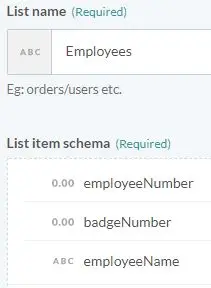
Step 6: Create a loop and pass the information from the Document Parser into the list created in step 3 above;
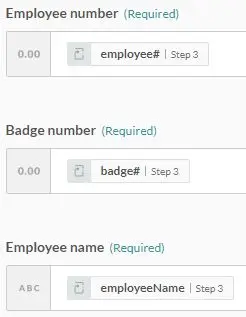
Step 7: Compose a CSV from the list created earlier in your Workato recipe;

Step 8: Create and update records in Quickbase from the CSV file created in step 6;
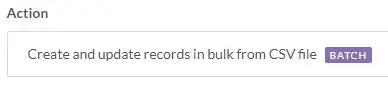
Benefits of Using Docparser + Workato with Quickbase
- Save hours of manual data entry
- Reduce human error
- Scale data processing from PDFs
- Improve operational efficiency
- Enable automation without system access
When Should You Use This Approach?
This solution is ideal if:
- Clients or partners only provide PDF documents
- You lack API or system access
- You process repetitive, structured documents
- You want to automate Quickbase data entry
By leveraging Docparser and Workato, teams can bridge that gap—turning static documents into automated workflows. This approach not only improves accuracy but also frees up valuable time for higher-impact work.
Top FAQs: Automating PDF Data Extraction into Quickbase with Workato
1. What is a Workato recipe for PDF data extraction into Quickbase?
A Workato recipe is an automated workflow that extracts data from PDF files using OCR or document parsing tools and sends that structured data into Quickbase tables. This eliminates manual data entry and improves accuracy.
2. How do I automatically extract data from PDFs into Quickbase?
To automate PDF data extraction into Quickbase:
- Upload or receive a PDF (email, cloud storage, etc.)
- Use Workato’s document processing/OCR connector
- Map extracted fields (e.g., invoice number, date, totals)
- Send data into Quickbase via API or connector
- Trigger the recipe automatically
3. What tools are required for PDF data extraction in Workato?
You typically need:
- Workato (automation platform)
- OCR or document parsing service (e.g., AWS Textract, Google Vision, or Workato Document AI)
- Quickbase connector or REST API
- Cloud storage or email trigger (optional)
4. Can Workato read scanned PDFs and extract data?
Yes, Workato can process scanned PDFs using OCR integrations. These tools convert images into text and extract structured fields like names, totals, and dates.
5. How accurate is PDF data extraction with Workato?
Accuracy depends on:
- PDF quality (clean vs. scanned)
- Consistency of document format
- OCR engine used
Well-structured documents can reach 90–99% accuracy, while unstructured PDFs may require validation steps.
6. What are common use cases for PDF to Quickbase automation?
- Invoice processing
- Purchase order entry
- Contract data extraction
- Expense tracking
- Healthcare forms processing
- Logistics/shipping documents
7. How do I map extracted PDF fields to Quickbase?
Inside Workato:
- Use the recipe editor
- Select extracted fields from OCR output
- Map them to Quickbase table fields
- Apply transformations if needed (e.g., formatting dates or currency)
8. Can I validate or clean data before sending it to Quickbase?
Yes. Workato allows:
- Conditional logic (if/else)
- Data formatting
- Validation rules
- Duplicate checks
This ensures only clean, accurate data enters Quickbase.
9. Is coding required to automate PDF extraction with Workato?
No. Workato is a low-code platform. Most workflows can be built using drag-and-drop steps, though APIs can be used for advanced customization.
10. How do I trigger a Workato recipe for PDF processing?
Common triggers include:
- New email attachment
- File uploaded to Google Drive, Dropbox, or S3
- Webhook/API call
- Scheduled batch processing
11. How secure is PDF data automation with Workato and Quickbase?
Workato supports:
- Encryption (in transit and at rest)
- Role-based access control
- Compliance standards (SOC 2, GDPR, etc.)
Quickbase also provides enterprise-grade security for stored data.
12. Can Workato handle multiple PDF formats?
Yes, but performance is best when:
- Documents follow consistent templates
- You train the extraction model (if supported)
Highly variable PDFs may require additional parsing logic.
13. What are the benefits of automating PDF data entry into Quickbase?
- Saves time (hours → seconds)
- Reduces human error
- Improves data consistency
- Enables real-time reporting
- Scales operations efficiently
14. How do I troubleshoot a Workato PDF extraction recipe?
Common fixes:
- Check OCR output structure
- Validate field mappings
- Review logs in Workato
- Test with sample PDFs
- Adjust parsing rules
15. Can I use AI for smarter PDF data extraction in Workato?
Yes. Workato integrates with AI-powered tools that:
- Recognize document types
- Extract complex fields
- Improve accuracy over time
- Author: April Barragan
- Title: Solution Consultant | Quickbase
- Email: abarragan@quandarycg.com
- Date Updated: 04/13/2026


Industries
Resources


© 2026 Quandary Consulting Group. All Rights Reserved.
Privacy Policy