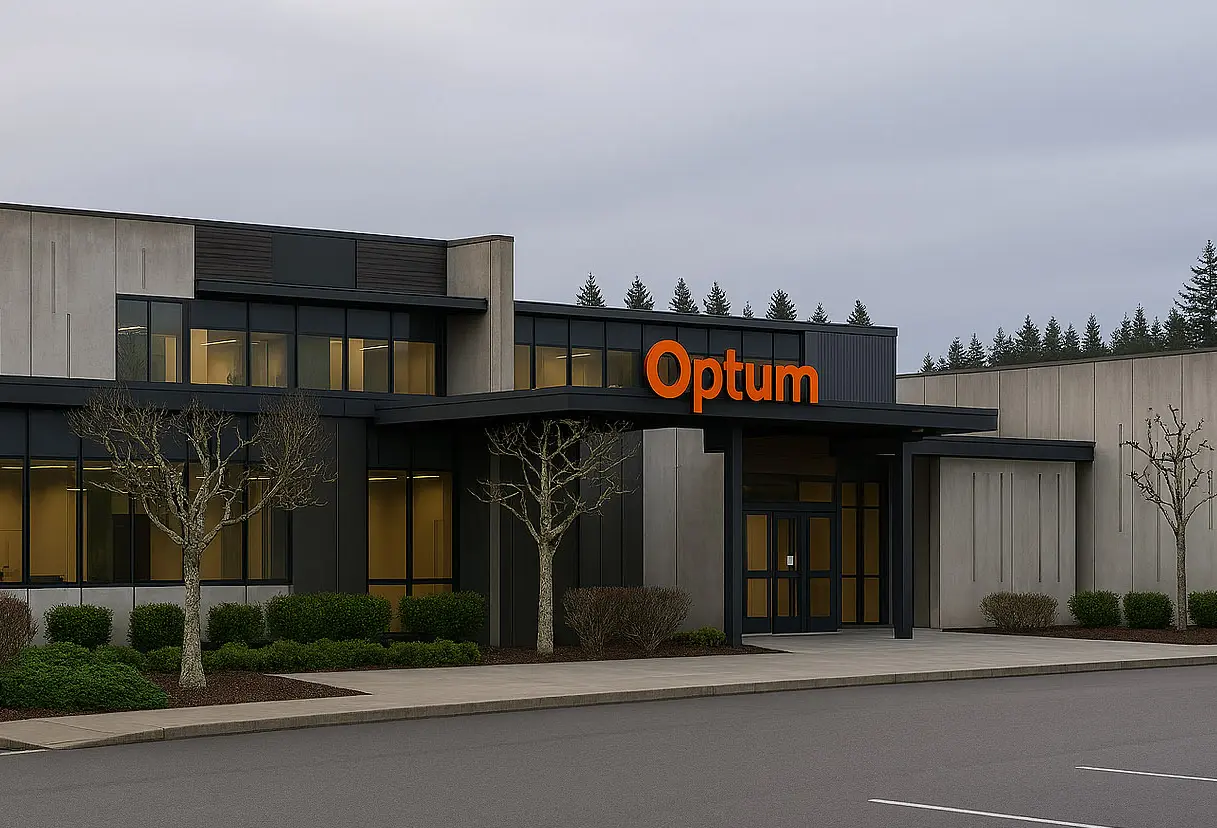
Optum Care PNW: Supporting Healthcare Workflow Modernization Through Collaborative Quickbase Application Development
The Client Profile: Optum Care PNW
- Client: Optum Care Pacific Northwest (PNW)
- Industry: Healthcare | Healthcare Operations
- Technology: Quickbase
- Services: Quickbase Consulting, Collaborative Application Development, Healthcare Workflow Modernization, Application Design and Deployment Support, User Enablement
- Use Case: Healthcare Operations and Utilization Team Application Development
Optum Care Pacific Northwest (PNW) operates within the healthcare industry, where efficient information management, coordinated administrative processes, and reliable operational applications are essential to supporting healthcare teams.
Healthcare organizations must manage complex workflows while maintaining visibility into operational information, coordinating activities across departments, and adapting their technology environments to evolving business requirements.
For organizations like Optum Care PNW, low-code application development offers an opportunity to modernize internal processes without relying exclusively on lengthy traditional software development cycles.
Through its engagement with Quickbase and Quandary Consulting Group, Optum Care PNW sought collaborative application development assistance to support its internal Quickbase initiatives, including a dedicated engagement for its Utilization Team.
The Challenges
Supporting Healthcare Application Development and Internal Team Enablement
Healthcare organizations increasingly rely on configurable business applications to support operational workflows, manage information, and improve coordination between employees and departments.
However, developing and maintaining these applications requires more than selecting a low-code platform.
Organizations must translate business requirements into functional application designs, establish appropriate data structures, configure workflows, and equip internal teams with the knowledge needed to maintain their solutions.
Optum Care PNW engaged Quandary Consulting Group through Quickbase to provide collaborative development assistance and strategic guidance.
The engagements addressed several important areas of healthcare application development:
1. Translating Healthcare Operational Requirements into Quickbase Applications
Healthcare operational teams often have specialized requirements that cannot be fully addressed through standardized, off-the-shelf business applications.
Developing effective solutions requires a clear understanding of existing processes, application functionality, user responsibilities, and operational objectives.
Optum Care PNW required hands-on assistance and strategic coaching to support the design, development, and deployment of its Quickbase applications.
2. Expanding Internal Quickbase Development Capabilities
Low-code technology enables organizations to develop applications more efficiently, but internal employees still need practical development knowledge to build and maintain effective solutions.
Without sufficient technical guidance, organizations may encounter challenges related to application architecture, configuration, workflow design, and long-term maintainability.
Optum's collaborative development engagement emphasized shared application-building responsibilities and internal team participation.
3. Supporting Specialized Utilization Team Requirements
Healthcare utilization teams operate within complex administrative environments where organized information and clearly defined processes are important.
Optum Care PNW initiated a dedicated collaborative Quickbase development engagement for its Utilization Team.
This work stream provided a framework for supporting the team's application development requirements through hands-on technical assistance and strategic coaching.
The documented scope does not specify particular utilization management workflows, clinical review processes, or authorization activities.
4. Establishing a Sustainable Application Development Approach
For healthcare organizations, application modernization should support both immediate operational needs and long-term adaptability.
An effective development strategy requires internal employees to understand how applications are structured, configured, and maintained.
Optum's engagements emphasized collaboration and knowledge transfer rather than complete dependence on an external development team.
The Solutions
Collaborative Quickbase Development and Healthcare Application Enablement
Quandary Consulting Group supported Optum Care PNW through two Quickbase collaborative application development engagements. The first provided general application development assistance, while the second specifically supported the Utilization Team.
Both engagements centered on hands-on development guidance, strategic coaching, and internal application ownership.
1. Collaborative Quickbase Application Design and Development
Quandary provided a collaborative development framework to help Optum Care PNW design, develop, and deploy Quickbase applications.
Rather than taking full ownership of application development, Quandary's role was to work alongside designated internal employees and provide technical assistance throughout the development process.
The approach included:
- Hands-on Quickbase application development assistance.
- Strategic coaching on application design and configuration.
- Guidance throughout the application development lifecycle.
- Collaborative problem-solving with internal application builders.
- Support for application deployment activities.
This model helped align external Quickbase expertise with Optum's internal knowledge of its operational requirements.
2. Dedicated Quickbase Development Support for the Utilization Team
Quandary's second engagement focused specifically on Optum Care PNW's Utilization Team. This dedicated work stream provided collaborative development support intended to help the team design, develop, and deploy its Quickbase application capabilities.
By providing focused technical guidance, the engagement created an opportunity to align application development activities with the Utilization Team's specific operational requirements.
This approach supported a more targeted development process while maintaining internal participation and ownership.
3. Internal Quickbase Builder Enablement and Knowledge Transfer
A central component of both engagements was helping Optum's internal employees participate directly in application development.
The statements of work established a collaborative model in which two designated customer users would receive Quickbase Builder/Admin permissions and assume primary building responsibilities alongside Quandary.
The engagements also specified that Quandary would not build more than 50% of any individual application.
This structure emphasized practical learning, shared development responsibilities, and internal capability building.
The objective was to support an application environment that internal teams could continue developing and managing after the consulting engagement.
4. Strategic Coaching and Application Development Guidance
Quandary's consulting services extended beyond hands-on application configuration.
The collaborative development model incorporated strategic coaching to help internal application builders make informed decisions throughout the development process.
This approach provided a foundation for addressing application requirements, evaluating development options, and supporting deployment readiness.
By combining technical assistance with practical coaching, Quandary helped establish a development model centered on internal participation and sustainable application ownership.
The Results
Strengthening Healthcare Application Development and Internal Capabilities
The Optum Care PNW engagements established a collaborative framework for Quickbase application development, technical guidance, and internal team enablement.
The documented scope supports several important project deliverables and intended business benefits.
Dedicated Quickbase Consulting Support Across Two Engagements
Optum Care PNW engaged Quandary for two separate collaborative application development workstreams.
Each statement of work allocated up to 40 hours of collaborative Quickbase consulting support, representing a combined maximum allocation of 80 hours across the two engagements.
This provided a defined framework for general application development assistance and focused support for the Utilization Team.
Greater Internal Participation in Application Development
The collaborative development model placed Optum's internal application builders at the center of the development process.
By pairing hands-on assistance with strategic coaching, the engagement was structured to help internal employees develop practical Quickbase capabilities.
This approach supported the objective of reducing long-term dependence on outside developers for routine application changes and enhancements.
Focused Development Support for Healthcare Operational Teams
The dedicated Optum's Utilization Team engagement provided a separate development work stream for specialized departmental requirements.
This structure allowed consulting assistance to be directed toward the team's application development needs while maintaining alignment with the broader collaborative development approach.
Foundation for Long-Term Application Ownership
By emphasizing internal building responsibilities, shared development activities, and technical guidance, the engagements established a framework for more sustainable Quickbase application management.
This model can help healthcare organizations maintain greater flexibility as operational requirements evolve.
Strategic Business Impact: Building Sustainable Low-Code Capabilities in Healthcare
For Optum Care PNW, the Quickbase consulting engagements reflected an approach to application development that emphasized collaboration, internal participation, and specialized departmental support.
Rather than outsourcing the entire development process, the organization engaged experienced Quickbase consultants to work alongside internal application builders.
This approach is particularly relevant for healthcare organizations seeking to modernize administrative workflows while retaining greater control over their technology environments.
Collaborative low-code development can help organizations strengthen internal technical capabilities, respond to changing operational requirements, and establish a foundation for future application enhancements.
Creating Opportunities for Healthcare Automation and AI Readiness
Well-structured operational applications can also support future automation and artificial intelligence initiatives.
As healthcare organizations evaluate AI-powered workflows, connected applications and structured business information become increasingly important.
Potential future opportunities include:
- Healthcare workflow automation: Connecting administrative activities across operational applications.
- AI-assisted information retrieval: Helping authorized employees locate relevant operational information.
- Intelligent document processing: Supporting document classification, extraction, and summarization.
- Utilization management workflow support: Exploring automation opportunities for administrative coordination, subject to appropriate clinical oversight and governance.
- Enterprise application integration: Connecting Quickbase with other authorized healthcare technology platforms.
- AI governance and security: Establishing appropriate permissions, auditability, and human oversight for sensitive workflows.
Please note: These capabilities were not documented deliverables of the original engagements; they represent potential future modernization opportunities.
Why Optum Care PNW Partnered with Quandary Consulting Group
As a Quickbase Elite Partner, Quandary Consulting Group helps healthcare organizations design, develop, modernize, and support business applications that address complex operational requirements.
Our collaborative consulting approach combines technical expertise with practical business process understanding, helping organizations build applications while strengthening the capabilities of their internal teams.
For healthcare organizations, our services include:
- Custom Quickbase application development and modernization.
- Collaborative low-code development and internal builder enablement.
- Healthcare workflow automation and process improvement.
- Enterprise application integration and API connectivity.
- Healthcare data management and operational reporting.
- AI readiness, intelligent automation, and governed AI integration.
The Optum Care PNW engagements illustrate how collaborative application development can support both organization-wide and department-specific technology initiatives.
By combining technical guidance with internal development participation, Quandary provided a consulting framework designed to support application delivery, employee enablement, and sustainable low-code development practices.
Our Latest Projects


Services
Industries
© 2026 Quandary Consulting Group 2026. All Rights Reserved.
Privacy Policy