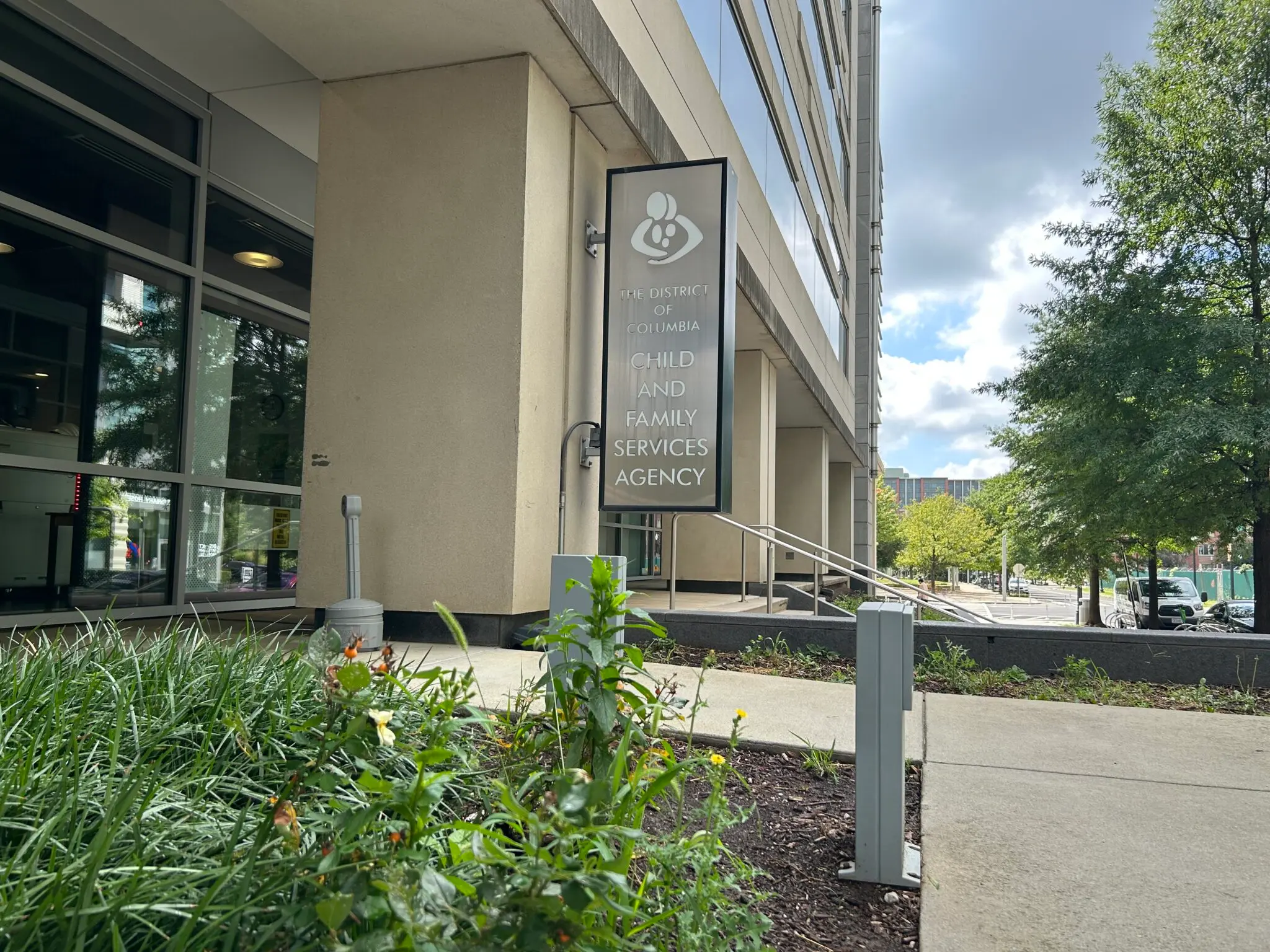
District of Columbia Child and Family Services Agency Centralizes Foster Parent Recruitment & Licensing With Quickbase
The Client Profile: District of Columbia Child and Family Services Agency (DC CFSA)
The District of Columbia Child and Family Services Agency (DC CFSA) is the public child welfare agency serving children, youth, and families throughout Washington, DC. As part of its mission, CFSA manages complex programs and services that require coordination among agency employees, prospective resource parents, licensed caregivers, and other stakeholders across the District.
One critical area of operations is the recruitment, training, and licensing of resource parents who provide foster care for children and youth. Moving a prospective resource parent from initial inquiry through recruitment, orientation, training, clearances, inspections, and final licensing requires significant coordination across multiple CFSA teams. To improve that process, DC CFSA expanded its use of Quickbase to create a centralized resource parent management environment connecting Recruiting, Training, and Licensing workflows.
This was also part of a broader relationship between DC CFSA and Quandary Consulting Group. By the time of the documented expansion, Quandary had been supporting CFSA's Quickbase environment for five years (November 2020) with the agency continuing to expand both its Quickbase user base and application portfolio.
The Challenges
Connecting Resource Parent Recruitment, Training, and Licensing Across DC CFSA
Becoming a licensed resource parent involves far more than submitting an application. For DC CFSA, each prospective caregiver needed to move through a structured, multi-stage process spanning separate Recruiting, Training, and Licensing teams, with critical information and documentation following the applicant at every step. During recruitment, staff needed to capture and manage inquiries, prospective resource parent information, orientation participation, recruitment sources, prescreening documentation, household details, and applicant status. Once all recruitment requirements were completed, the prospective caregiver needed to transition seamlessly into the next phase without duplicating data, losing documentation, or disrupting the continuity of the applicant record.
To support this transition, the solution established “Ready for Training & Licensing” as a defined operational milestone. This status created a clear handoff between teams, signaling that recruitment requirements had been satisfied and allowing Training and Licensing staff to continue the process using the information already collected. The result was a more connected workflow that maintained a consistent applicant record from initial inquiry through the path toward resource parent licensure.
Managing a Complex Resource Parent Training Process
Training introduced another layer of operational complexity as prospective DC resource parents moved from recruitment into a structured learning program. Applicants were assigned to training cohorts consisting of six instructor-led sessions, with four sessions followed by corresponding online learning clusters that also needed to be completed before participants could advance through the licensing process.
CFSA administrators needed a reliable way to track each applicant’s progress across the entire training journey, including:
- Cohort assignments
- Session attendance
- Online learning completion
- Rescheduled classes
- Missed sessions
- Withdrawals
- Incomplete requirements
- No-shows.
Each of these activities could directly affect an applicant’s readiness to move forward and without a centralized workflow connecting these activities, determining an applicant’s current status required staff to reconcile information across multiple stages of the training process. CFSA needed a more structured approach that gave administrators real-time visibility into each prospective resource parent’s progress, clearly identified outstanding requirements, and ensured applicants only advanced once the appropriate training milestones had been completed.
Tracking Extensive Licensing Requirements
Licensing represented one of the most complex and documentation-intensive stages of the resource parent journey. DC CFSA needed to manage licensing requirements not only for each prospective resource parent, but also for other individuals connected to the household, including adult household members, children where applicable, and designated backup caregivers.
Each applicant household introduced its own combination of documentation, screenings, approvals, and compliance requirements that needed to be completed, verified, and tracked before a resource parent license could be issued. CFSA therefore needed a centralized way to connect these requirements to the appropriate individuals while maintaining a complete view of the household’s overall licensing status.
Requirements included items such as:
- Fingerprinting
- FBI background reports
- Local police reports
- Child protection clearances
- Medical documentation
- Clean Hands requirements
- Fire inspections
- Lead inspections
- Out-of-state clearances
- Household-member documentation
- Licensing worker assignments
- Application milestones
- Licensing status and endorsements
The system also needed to help CFSA employees proactively monitor critical 100-day and 150-day licensing timelines based on each applicant’s assignment date, providing greater visibility into approaching deadlines, outstanding requirements, and cases at risk of delay.
For DC CFSA, the challenge extended far beyond simply digitizing paperwork. The agency needed a centralized child welfare case management workflow capable of connecting the entire resource parent journey—from initial inquiry and recruitment through training, licensing, and final approval. By bringing these stages together within a unified process, CFSA could improve cross-team coordination, maintain continuity of applicant information, strengthen oversight of licensing requirements, and give employees a clearer view of where every prospective resource parent stood throughout the process.
The Solutions
Building a Centralized Quickbase Resource Parent Management Platform
Quandary Consulting Group designed and implemented a custom Quickbase resource parent management system that connected DC CFSA’s Recruiting, Training, and Licensing workflows within a single, centralized platform. The solution established a structured digital journey that reflected the complete resource parent lifecycle: Inquiry → Recruitment → Orientation → Training → Licensing → Licensed Resource Parent
Rather than relying on disconnected departmental processes and separate views of applicant information, Quickbase created a centralized applicant record that progressed alongside each prospective resource parent. Information captured during recruitment remained available as applicants advanced into training and licensing, reducing duplicate data entry and helping preserve continuity throughout the process.
This connected approach gave CFSA employees greater visibility into each applicant’s history, current status, completed requirements, and next steps while creating smoother handoffs between teams. As responsibility transitioned from Recruiting to Training and ultimately Licensing, employees could work from the same underlying record, creating a more coordinated and transparent path from initial inquiry to becoming a licensed resource parent.
Digitizing Resource Parent Recruitment
The recruiting component centralized the resource parent journey from the moment a prospective caregiver first contacted DC CFSA. Recruiters could create and maintain a comprehensive applicant record containing critical information such as:
- Applicant contact information
- Household details
- Foster care interests
- Age preferences
- Inquiry and referral source
- Recruitment status
- Orientation participation
- Prescreening documentation
- Case notes
- Applicant progression
The platform also supported recruitment event and orientation management, giving CFSA a more structured way to track how prospective resource parents entered and progressed through the recruitment pipeline. Recruitment sources—including community events, referrals, websites, social media, radio, email campaigns, places of worship, and other outreach initiatives—could be associated directly with applicant records rather than tracked separately.
Centralizing this information delivered an important strategic benefit beyond day-to-day applicant management. CFSA could gain greater visibility into which recruitment channels were generating prospective resource parents and ultimately contributing applicants who advanced through the process. This provided the agency with more actionable data to evaluate outreach efforts, identify productive recruitment sources, and make more informed decisions about where to focus future resource parent recruitment initiatives
Creating a Structured Handoff From Recruitment to Training and Licensing
One of the most important improvements was the creation of a defined, standardized handoff between operational teams. Once an applicant completed the necessary recruitment requirements and reached “Ready for Training & Licensing” status, their existing record could move directly into the next stage of the resource parent journey.
This structured transition reduced CFSA’s reliance on informal communication, manual follow-up, and disconnected departmental processes to coordinate applicant progression. Because the applicant’s information, documentation, and history remained connected to the same centralized record, Training and Licensing teams could continue the process with greater context and continuity.
Most importantly, the standardized handoff helped reduce the risk of prospective resource parents becoming delayed or lost between stages, while giving CFSA clearer visibility and accountability as applicants progressed from recruitment into training and licensing.
Managing Resource Parent Training Cohorts
Quickbase also provided DC CFSA with a centralized, structured environment for managing resource parent training cohorts from enrollment through completion. Administrators could create cohort schedules, assign prospective resource parents to the appropriate training group, track attendance across all six required sessions, monitor completion of corresponding online learning clusters, and document rescheduled sessions or other exceptions.
Standardized statuses—including:
- Scheduled
- In Progress
- Completed
- Dropped Out
- Withdrew
- Incomplete
- No Show
This gave CFSA employees a consistent way to understand where each applicant stood in the training process and quickly identify individuals with outstanding requirements. This meant, rather than manually reconstructing training histories across multiple records or sources, CFSA employees could access organized, up-to-date information at both the individual applicant and cohort level. This improved visibility made it easier to monitor training progression, identify potential delays, manage exceptions, and determine when prospective resource parents had satisfied the requirements necessary to advance toward licensing.
Centralizing Resource Parent Licensing
The licensing workflow brought one of the most complex stages of the resource parent lifecycle into the same centralized Quickbase environment. Supervisors could assign prospective resource parents to licensing workers, establish clear ownership, and monitor critical milestones as each case progressed toward approval. Quickbase also gave CFSA greater visibility into its 100-day and 150-day licensing timelines. By calculating and tracking these timeframes from each applicant’s assignment date, employees could more easily identify approaching deadlines, monitor cases at risk of delay, and prioritize follow-up on outstanding requirements.
The platform centralized the extensive information required throughout the licensing process, including documentation and requirements associated with:
- Applicants
- Adult household members
- Children (when/where applicable)
- Backup caregivers
- Home inspections
- Medical information
- Criminal background checks
- Child protection records
- Other licensing criteria.
This meant that, instead of managing these requirements across disconnected records and processes, CFSA employees could track them within the same environment and maintain a more complete view of each household’s licensing readiness. This information gave supervisors and licensing workers a clearer understanding of what had been completed, what remained outstanding, who was responsible for the next action, and how each case was progressing against critical licensing timelines.
Creating Better Visibility Into Missing Requirements
A centralized system gave DC CFSA employees more than visibility into an applicant’s current status—it provided the context needed to understand what was preventing that applicant from moving forward. Rather than simply identifying where a prospective resource parent was in the licensing process, Quickbase allowed employees to see the specific details associated with each case; such as:
- Outstanding requirements
- Incomplete documentation
- Pending clearances
- Unresolved activities
That distinction was critical because different licensing delays required different interventions. For example, an applicant awaiting a fire inspection required a different next step than someone waiting on medical documentation, fingerprint results, an out-of-state clearance, or completion of required training. By structuring and tracking these requirements within the applicant record, CFSA could more quickly identify the source of a delay and determine the appropriate action needed to keep the case progressing.
This level of visibility gave DC CFSA a stronger foundation for identifying individual bottlenecks, prioritizing follow-up, improving accountability, and proactively moving prospective resource parents toward licensure rather than relying on employees to manually investigate why a case had stalled.
Understanding Why Prospective Resource Parents Leave the Pipeline
The system also gave DC CFSA a more structured way to understand why prospective resource parents did not complete the journey to licensure. When an applicant exited the process, employees could document standardized closure reasons rather than relying solely on notes or an applicant’s final status.
Closure reasons could include:
- Housing constraints
- Relocation
- Work schedule conflicts
- Transportation challenges
- Childcare needs
- Family or health events
- Insufficient income
- Criminal background requirements
- Failed inspections
- Medical requirements
- Other eligibility issues
Capturing this information transformed applicant attrition into actionable operational data. Rather than knowing only how many prospective caregivers withdrew, became ineligible, or failed to complete the process, CFSA could develop a clearer understanding of where applicants were leaving the resource parent pipeline and the specific factors contributing to that attrition. Over time, these insights could help CFSA leadership identify recurring barriers, distinguish between preventable and eligibility-related attrition, and uncover opportunities to improve:
- Recruitment strategies
- Applicant support
- Training operations
- Licensing workflows
This created a stronger data foundation for not only managing the resource parent pipeline, but also continuously improving the agency’s ability to recruit, prepare, and license qualified caregivers.
The Results
One Connected Resource Parent Journey
The custom Quickbase environment established a centralized operational foundation for managing DC CFSA’s complete resource parent lifecycle, connecting information, requirements, and applicant progression within a single system. Which meant, rather than treating Recruiting, Training, and Licensing as separate administrative processes, CFSA could manage them as interconnected stages of one continuous resource parent journey: Recruitment → Training → Licensing
As prospective resource parents advanced through each stage, their underlying record progressed with them. Information captured during recruitment remained available during training and licensing, preserving applicant history and reducing the need to recreate, transfer, or reconcile information between teams. This connected approach created greater continuity across the organization, giving CFSA employees a shared view of each applicant’s progress from initial recruitment through licensure while supporting more consistent handoffs, clearer accountability, and better visibility across the entire resource parent pipeline.
Greater Visibility Across CFSA Teams
Standardized statuses and structured workflows gave DC CFSA employees and leadership greater visibility into each prospective resource parent’s position within the pipeline. Rather than relying on manual follow-up or fragmented information to determine applicant progress, teams could quickly understand where each individual stood and what stage came next.
This visibility created a stronger foundation for proactive case management, making it easier to identify applicants who were progressing normally, those with outstanding requirements, and those who might require additional follow-up or intervention.
The resource parent journey could be tracked through clearly defined stages: New → In Recruitment → Ready for Training → In Training → Awaiting Requirements → In Licensing → Completed; and, by standardizing these stages within Quickbase, CFSA gained a more consistent way to monitor applicant progression, prioritize staff attention, identify potential bottlenecks, and keep prospective resource parents moving toward licensure.
Better Oversight of Licensing Timelines
By incorporating important licensing milestones and the 100- and 150-day timelines, the system gave CFSA greater visibility into cases approaching critical points in the process. Employees could now prioritize attention based on applicant status and outstanding requirements rather than relying exclusively on manual tracking. Centralized Documentation and Compliance Tracking, Quickbase consolidated the broad range of information required throughout DC CFSA’s resource parent licensing process into a single, structured operational environment, this included:
- Background checks and clearances
- Home and safety inspections
- Medical documentation
- Household member requirements
- Training progress and completion
- Applicant information and history
- Other supporting licensing records and documentation
Bringing these requirements together gave CFSA employees a clearer and more consistent view of applicant readiness. Rather than piecing together information from separate sources, licensing workers and supervisors could more easily determine which requirements had been completed, what remained outstanding, and what actions were necessary before an applicant could progress toward licensure.
This centralized approach strengthened licensing oversight, documentation management, and case visibility, while creating a more reliable foundation for determining when prospective resource parents had satisfied the requirements necessary to become licensed caregivers.
Better Resource Parent Recruitment Intelligence
Structured inquiry-source and closure-reason data gave DC CFSA a stronger analytical foundation for understanding the performance of its resource parent recruitment and licensing pipeline. By capturing how prospective resource parents entered the process and documenting why applicants ultimately withdrew, became ineligible, or did not complete licensure, CFSA gained greater visibility into both ends of the recruitment funnel: Where Prospective Resource Parents Came From → How Far They Progressed → Why They Left.
This data provided leadership with more meaningful insight into which outreach channels were generating prospective caregivers, where attrition was occurring, and which barriers were most frequently preventing applicants from reaching licensure.
Over time, these insights could support more informed decisions about recruitment investments, community outreach, applicant support, staff resources, and process improvements—helping CFSA focus its efforts on attracting qualified prospective resource parents while addressing preventable barriers that could otherwise slow or interrupt their path to licensure.
DC CFSA ROI Validation
50% Reduction in Administrative Tracking Time
Centralizing recruitment, training, licensing, applicant status, and documentation significantly reduces the manual effort required to reconcile information across teams.
40% Faster Handoffs Between Recruitment, Training, and Licensing
Structured statuses and defined transitions reduce administrative delays when prospective resource parents progress between CFSA teams.
60% Reduction in Manual Status Reconciliation
A centralized applicant record reduces the need for employees to manually compare records or contact other teams to determine current applicant status.
90%+ Visibility Into Active Resource Parent Cases
Centralized dashboards and structured workflows provide management with substantially greater visibility into active applicants, outstanding requirements, training progress, and licensing milestones.
30% Reduction in Documentation-Related Delays
More structured tracking of clearances, inspections, medical requirements, training, and other outstanding items helps employees identify missing requirements earlier in the licensing process.
Modernizing Resource Parent Management Across Washington, DC
For the District of Columbia Child and Family Services Agency (DC CFSA), modernizing resource parent management required far more than converting individual forms into digital records. The agency needed to connect the people, information, requirements, and operational processes involved in guiding prospective resource parents from their initial inquiry through training, licensing, and final approval.
Quandary Consulting Group used Quickbase to create a centralized resource parent management system that brought these previously distinct stages together within one connected workflow: Inquiry → Recruiting → Orientation → Training → Clearances → Inspections → Licensing → Licensed Resource Parent.
The impact extended across every team involved in the resource parent journey. Recruiters gained a more structured way to manage inquiries and prospective caregivers. Training teams gained greater visibility into cohorts, attendance, completion, and outstanding requirements. Licensing teams gained stronger oversight of documentation, clearances, inspections, applicant readiness, and critical licensing timelines. Leadership gained a more comprehensive view of the entire resource parent pipeline and the factors influencing applicant progression and attrition.
Most importantly, DC CFSA gained a scalable digital foundation for managing the resource parent lifecycle as one connected process rather than a series of disconnected administrative activities. By creating greater continuity from initial interest through licensure, the agency strengthened its ability to recruit, prepare, track, and license qualified resource parents who can provide safe, supportive homes for children and families throughout Washington, DC.
Key Business Outcomes Delivered:
The Quickbase resource parent management platform gave the District of Columbia Child and Family Services Agency a foundation for:
- Centralized resource parent recruitment management
- Connected Recruiting, Training, and Licensing workflows
- Structured applicant handoffs
- Six-session training cohort management
- Online learning completion tracking
- Licensing worker assignment
- 100- and 150-day timeline visibility
- Background and child-protection clearance tracking
- Fire and lead inspection tracking
- Medical-documentation management
- Household-member and backup-caregiver tracking
- Structured applicant status management
- Recruitment-source reporting
- Applicant attrition analysis
- Improved management visibility
- A centralized Quickbase source of truth for the resource parent journey
Our Latest Projects


Services
Industries



© 2026 Quandary Consulting Group 2026. All Rights Reserved.
Privacy Policy