Procurement
Supplier Relationship Management: Best Practices to Reduce Risk, Optimize Costs, and Improve Vendor Performance


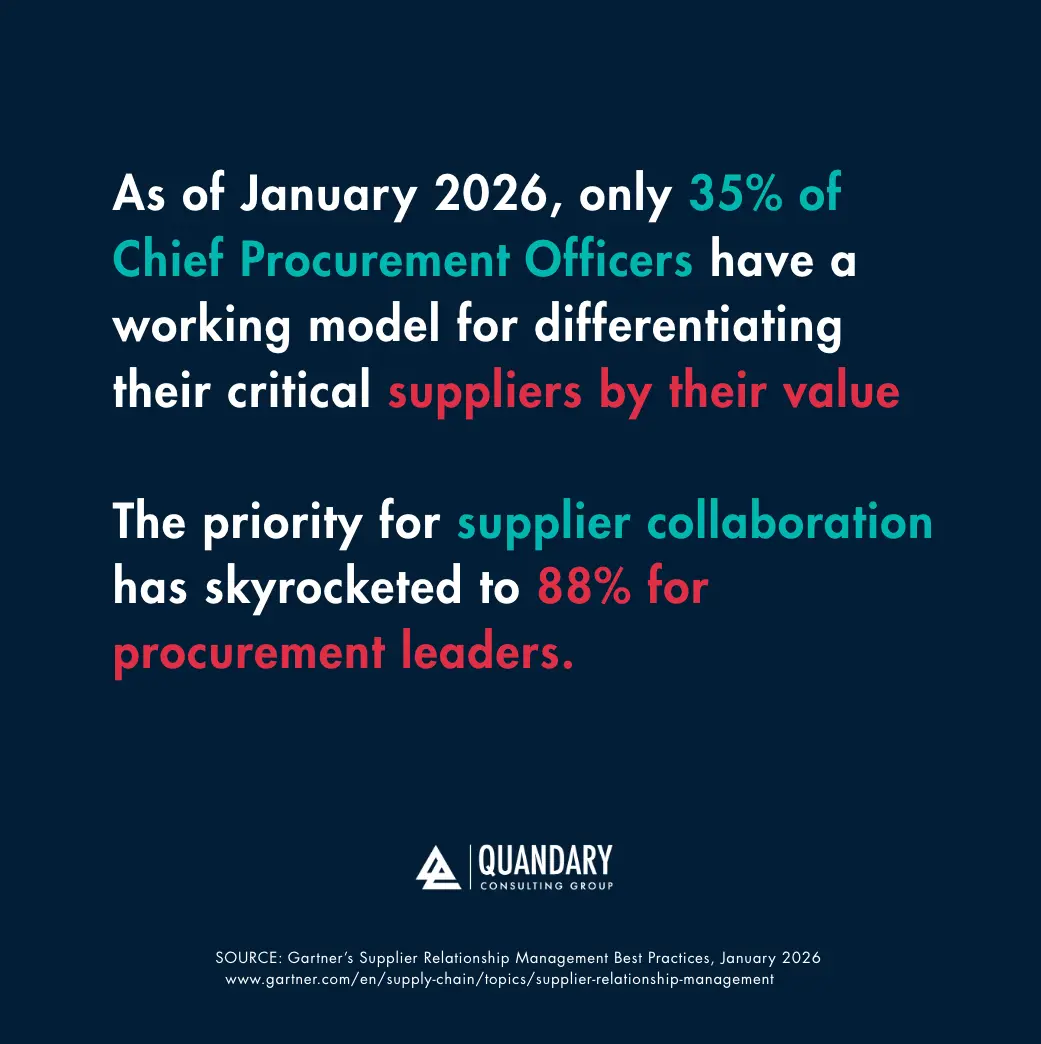
Supplier relationship management (SRM) is a structured approach to managing vendor relationships that improves performance, reduces risk, and drives cost efficiency across the supply chain. Supplier relationship management (SRM) is not a new concept; however, in today’s increasingly complex and risk-sensitive business environment, it has become a strategic imperative. Organizations cannot operate without their suppliers, yet many still fail to manage these relationships with the rigor and consistency required to drive sustained value.
At its core, effective supplier management ensures that vendors not only meet contractual obligations but also contribute meaningfully to broader business objectives. Unfortunately, many organizations continue to approach vendor management in a fragmented and reactive manner—prioritizing only their most critical suppliers while overlooking the cumulative risk posed by the broader vendor ecosystem.
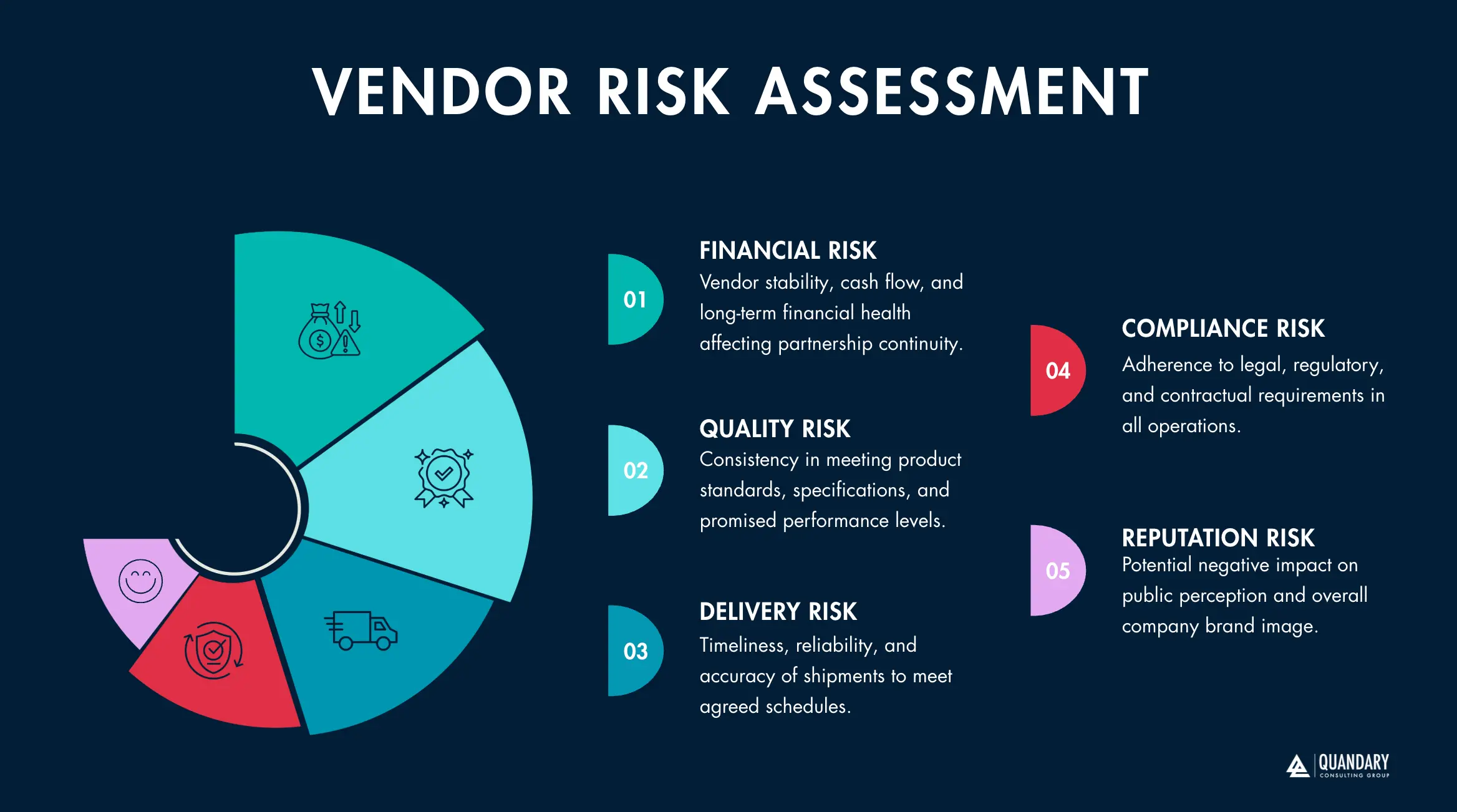
Every supplier relationship introduces potential exposure, including:
- Operational delays and supply disruptions
- Substandard product or service quality
- Reputational damage due to poor customer experience
- Compliance and regulatory risks
A disciplined, enterprise-wide supplier management strategy is therefore essential. When executed effectively, it aligns vendors with your mission, strengthens performance, and maximizes long-term value.
What is Supplier Relationship Management (SRM)?
Supplier relationship management is a strategic approach to managing vendor relationships in order to:
- Improve supplier performance
- Reduce operational and financial risk
- Increase supply chain transparency
- Drive cost efficiencies
- Enable supplier-led innovation
When executed effectively, SRM transforms suppliers from transactional vendors into strategic partners.
To gain more insight to SRM, download: Gartner's Supplier Relationship Management Best Practice Guide and learn the most effective ways to mange your complex supply base.
Supplier Relationship Management Best Practices
1. Align Supplier Strategy with Business Objectives
A high-performing SRM strategy must directly support enterprise goals. Whether the focus is cost optimization, growth, or innovation, supplier management should be tightly aligned with broader business priorities.
Benefits of alignment include:
- Stronger executive support for procurement initiatives
- Faster achievement of strategic objectives
- Improved cross-functional collaboration
2. Select the Right Suppliers
Supplier selection should be based on a comprehensive evaluation framework—not just price.
Key evaluation criteria include:
- Total cost of ownership (not just upfront pricing)
- Quality and consistency of delivery
- Market reputation and industry recognition
- Past performance and customer reviews
- Scalability and operational resilience
Organizations that prioritize value over cost consistently outperform those that do not.
3. Establish Clear Service Level Agreements (SLAs)
Formal agreements are essential for accountability. SLAs should clearly define:
- Scope of work
- Performance expectations
- Delivery timelines
- Escalation and remediation protocols
Well-defined SLAs eliminate ambiguity and create a foundation for measurable performance management.
4. Design a Structured Supplier Onboarding Process
Supplier onboarding sets the tone for the entire relationship. A strong onboarding process ensures vendors understand how to operate effectively within your organization.
This should include:
- Policies and compliance requirements
- Communication standards
- System and workflow training
- Defined KPIs and expectations
Effective onboarding reduces friction and accelerates time-to-value.
5. Leverage Vendor Portals for Centralized Management
Managing suppliers through email and spreadsheets creates inefficiency and risk. Modern organizations are adopting vendor portals to centralize interactions.
Vendor portals enable:
- Self-service supplier profile management
- Invoice submission and tracking
- Real-time communication
- Delivery and performance tracking
Benefits include:
- Increased efficiency and data accuracy
- Improved supplier experience
- Enhanced visibility across the supplier ecosystem
With low-code platforms, organizations can now build these systems quickly and cost-effectively.
6. Automate Procurement Processes
Manual procurement processes limit scalability and introduce errors. Automation enables organizations to streamline:
- RFP processes
- Invoice approvals
- Supplier data management
- Inventory tracking
By reducing administrative burden, teams can focus on strategic supplier engagement and value creation.
7. Monitor Supplier Performance Using KPIs
Performance management should be proactive and data-driven.
Key supplier KPIs include:
- On-time delivery rates
- Product or service quality
- Responsiveness and service levels
- Cost efficiency
Tracking these metrics enables:
- Early identification of performance issues
- Continuous improvement
- Stronger negotiation leverage
8. Maintain Strong Supplier Relationships
Supplier management is fundamentally about relationships. Regular engagement builds trust and alignment.
Best practices include:
- Quarterly business reviews (QBRs)
- Strategic planning sessions
- Open, two-way feedback
Stronger relationships lead to better performance and increased collaboration.
9. Develop Contingency Plans
Supply chain disruptions are inevitable. Organizations must proactively prepare by:
- Diversifying supplier bases
- Identifying backup vendors
- Establishing response protocols
Preparedness minimizes operational impact and protects business continuity.
10. Identify Cost Optimization Opportunities
Improved data visibility enables organizations to uncover cost savings opportunities such as:
- Volume discounts
- Early payment incentives
- Supplier consolidation
- Market benchmarking
Strategic cost management drives long-term profitability.
11. Invest in Leadership and Soft Skills
Effective supplier management requires strong interpersonal capabilities, including:
- Negotiation and influence
- Clear communication
- Relationship building
Leaders who excel in these areas create stronger, more productive supplier partnerships.
Key Benefits of Effective Supplier Relationship Management
Organizations that implement structured SRM strategies realize significant benefits:
- Operational Benefits
- Faster adaptation to market changes
- Increased efficiency and reduced friction
- Improved supply chain visibility
- Financial Benefits
- Reduced costs and increased savings opportunities
- Better contract compliance and value realization
- Risk Reduction
- Improved regulatory compliance
- Greater resilience during disruptions
- Innovation and Growth
- Increased supplier-led innovation
- Stronger collaboration and partnership development
Frequently Asked Questions
- What is supplier relationship management?
- Supplier relationship management (SRM) is a strategic approach to managing vendor relationships to improve performance, reduce risk, and drive business value.
- Why is supplier management important?
- Supplier management is critical because suppliers directly impact cost, quality, risk, and operational continuity.
- What are supplier management best practices?
- Best practices include aligning supplier strategy with business goals, selecting the right vendors, formalizing SLAs, onboarding effectively, automating workflows, tracking KPIs, and maintaining communication.
- How do you measure supplier performance?
- Supplier performance is measured using KPIs such as delivery time, quality, responsiveness, compliance, and cost efficiency.
- How can procurement automation improve supplier management?
- Automation reduces manual work, improves accuracy, increases visibility, and allows teams to focus on strategic supplier relationships.
- What are the benefits of a vendor portal?
- Vendor portals centralize communication, improve data accuracy, streamline processes, and enhance supplier collaboration.
Transform Supplier Management Into a Competitive Advantage
Supplier relationship management should do more than sustain operations—it should drive measurable business outcomes.
At Quandary, we help organizations modernize procurement and supplier management through practical, scalable solutions that deliver real ROI. From custom vendor portals and workflow automation to full procurement transformation, we enable businesses to eliminate inefficiencies, improve visibility, and strengthen supplier performance.
If your organization is still relying on spreadsheets, fragmented communication, and manual processes, there is a better way.
The companies leading in procurement today are building digital, data-driven supplier ecosystems. Quandary helps you get there—faster.