Citizen Development
How Shell Built a Scalable Citizen Development Program | 10 Lessons for Enterprise Leaders


With increasing customer demands, shifting market conditions, business complexity, and competition, businesses need digital solutions. And they need to integrate with existing infrastructure to visualize clean data in real-time.
The global talent shortage of software engineers makes it nearly impossible for businesses to build those solutions. IT backlogs are extensive. Adding more tasks to their queue isn’t a viable solution. The citizen development movement democratizes software development, extending developer capabilities beyond IT to tech-savvy business users trained on powerful low-code tools.
Still, digital transformations often fail. To help you succeed, we show you how the energy company Shell built a successful citizen development program. That way, you streamline workflows, gain data insights, and meet customer demands without burdening your IT team.
Just Remember, Nothing Ever Happens Overnight
Citizen development doesn’t just “happen.” You need to create a plan that evaluates the risks and the business impact. You must also involve the right stakeholders from the start (IT, legal, compliance, security, business, etc.).
Shell started their Citizen Development “Do It Yourself” (DIY) program before the pandemic. It was an iterative process that took years to develop the systems, resources, and buy-in it has today.
Your citizen development program will move through phases and iterations. As with any process or program, it will evolve and increase in complexity over time.
1. Citizen Development Should Have a Clear Mission
The mission of Shell’s DIY program is to “empower every employee to digitize work processes to improve productivity, increase agility, and create more value for customers.”
That mission focuses on the program, making it easy for teams to align their actions to this common goal. At the same time, digital transformation is about better data management.
As a global enterprise organization, Shell sits on a data lake with trillions of data rows. They manage thousands of equipment across hundreds of sites with over 80,000 employees.
Your citizen development program needs to align with capturing the critical data in your organization so you can better serve your customer.
2. Standardized Processes Scale Results
If you want to drive scalable change in your organization, you need standardized processes. It’s one thing for a single citizen developer to create a simple solution to a workflow. However, you need a consistent way to scale development and implementation across your business to impact organizational change.
Without that, your citizen developers will exacerbate problems by creating multiple siloed solutions.
3. Normalize the Citizen Development Program
Shell rolled out its citizen development program through four stages:
- Sense-Making: Evaluating the efficacy of existing processes for achieving digital transformation.
- Stakeholder Participation: Getting stakeholders to see how digital solutions can help them achieve their goals.
- Collective Action: Teams embracing and carrying out the work necessary to transform processes.
- Evaluating Progress: Reviewing actions (both formally and informally) teams take to improve processes and measure digital solutions' impact.
This process helped normalize citizen development, improving change adoption and reducing friction. They also established a community-based CoE model to empower and inspire creativity among their citizen developers.
The CoE ensures the team delivers business value (cost reduction, process efficiency, customer satisfaction, etc.). As a result, the executive team can see a clear ROI from the program and continue to value its existence.
4. Upskilling your Talent
Your employees must upskill beyond their current business skills to become citizen developers. In short, they must understand low-code/no-code platforms (LCNC), data sources, IT frameworks, and their role in supporting digital transformations.
Shell does not hire specifically for Citizen Development roles. Instead, they lean on existing business users and their experience to create solutions. Recently (due to the program’s size and success), they hired Citizen Development Coaches who work exclusively with their citizen development team to improve application development.
While the DIY program is optional for employees, Shell provides a range of training (mandatory and optional) and resources for their citizen developers.
They set up a self-service portal, communities, and resources. They have two mandatory training sessions (DIY Passport Learning and Visa Learning Path). This training explains the fundamentals of Citizen Development, the toolset, and compliance guidelines.
They also enrolled in courses to provide additional training. Shell hosts training events (boot camps, hackathons, etc.) to give citizen developers more hands-on experience. Their “Hive Hackathon” had 243 participants, leading to the creation of an app that delivered $400,000 in immediate savings ($1.8M overall). Shell even hosted a “Shark Tank” event to gamify the process of pitching solutions to management.
IT teams also use LCNC regularly, so developers can work with citizen developers to provide ongoing support.
5. Flexibility Is Critical
Citizen development can take time to launch and build momentum at the start. Technology is also rapidly changing space.
As such, leadership needs to be flexible initially and as the program develops. They need to understand the program will change directions as it adapts to your organization's needs.
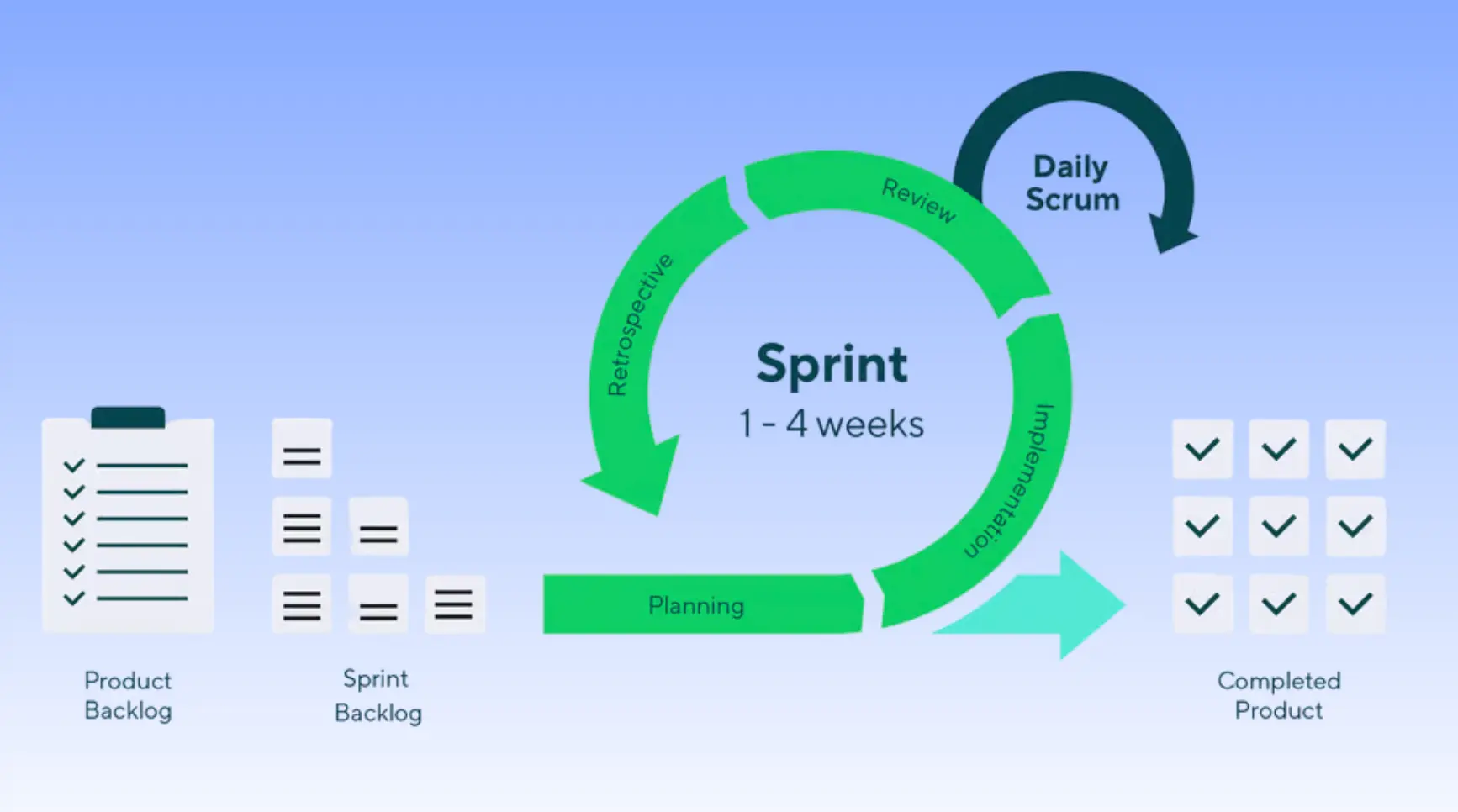
Citizen development follows agile development practices. Continuous improvement is key to its success. They prioritize individuals and interactions, working software, customer collaboration, and responding to change to drive success.
6. Start Small and Grow
Shell is a global company with over 80,000 people. Initially, they piloted a small version of their citizen development program. Over two years, their citizen development program transformed into 32 communities with 170 DIY coaches. Their team delivers 188 boot camps that have trained 6,500 developers and 4,000 employees.
As Shell continues to evolve, they’re seeking tech-savvy employees with a digital mindset and looking to train existing employees on citizen development.
7. You Need Buy-In at All Levels
Citizen Development requires a significant investment in tools, time, training, and disruption. To succeed, you need support from leadership and teams. Shell’s executive team supported the launch of the DIY program because program owners positioned citizen development. Technology leaders in the organization understood the value of digital transformations and the limitations caused by talent shortages.
This positioned the program as a way of driving digital transformation by leveraging existing organizational skill sets. As a result, program leaders reduced team tensions (specifically among developers concerned with losing their jobs). Instead, developers and executives saw citizen development as a way to scale output rather than replace workers.
Program leaders also focused on the practical benefits of citizen development. It can mainly improve workflows, automate manual processes, improve customer/employee satisfaction, enhance data accuracy/visualization, and improve collaboration.
8. Decide on the Tools
With so many LCNC tools on the market, Shell needed to select the ones that best fit the needs of their organization. To begin, the team created a process for evaluating LCNC tools. For example, they looked at integration capabilities, cloud service support, data visualization, automation capabilities, tool evolution, and other factors to determine whether or not the tool could meet demands.
Afterward, they evaluated the LCNC as they would any other tool. Specifically, they followed existing budget, planning, architectural, and portfolio steps for IT approval and adoption. New tools must follow the same process and fit into the DIY framework with IT and executive support.
9. Clear Guardrails and a Realistic Risk Assessment Is Essential
Shell developed clear risk assessments and clear guardrails for application development to encourage innovation among citizen developers while protecting them and the organization.
Their DIY Zoning Model uses a traffic light system to determine the risk and complexity of application development projects:
- Green (Full DIY): Anyone can develop solutions.
- Amber (Partnered DIY): Developers must collaborate with specialists or upskill into departments before building solutions.
- Red (Professional Development): Only professional developers can create apps for these business areas
Additionally, Shell created a checklist for citizen developers to review when considering application development and carrying out the development.
10. Communicate ROI
As with any business program, leadership needs to understand the potential ROI. This means collecting baseline data, tracking investment, and evaluating the overall impact on the business.
At Shell, Citizen Development has saved the company millions of dollars in cost reduction, workflow efficiency, safety enhancement, and other value-adds.
Teams are enthusiastic about the program as it empowers them to drive results while removing inefficiencies they found frustrating. Leadership also sees a clear return, driving further investment to unlock more value from citizen development at Shell.
Building a successful citizen development program requires more than selecting a low-code platform. It takes the right strategy, governance, training, integrations, and executive support.
Quandary Consulting Group helps organizations establish secure citizen development programs that empower employees to automate workflows and build valuable solutions without creating new technology risks or silos.
Connect with Quandary Consulting Group to turn your employees’ ideas into governed, scalable solutions that accelerate digital transformation and deliver measurable business value.
Top FAQs about How to Citizen Development Program
1. What is citizen development?
Citizen development is the practice of enabling employees outside traditional IT and software development teams to build business applications, automate workflows, and improve processes using approved low-code or no-code platforms. These employees are commonly known as citizen developers.
2. What is a citizen developer?
A citizen developer is a business user who creates applications or automated workflows using low-code or no-code technology. Citizen developers typically understand the operational problem they are solving but work within standards and governance policies established by IT, security, legal, and compliance teams.
3. How does citizen development support digital transformation?
Citizen development accelerates digital transformation by allowing employees closest to business processes to improve those processes directly. It can help organizations automate repetitive work, replace spreadsheets, connect fragmented data, improve reporting, and respond to changing business needs without placing every request in the IT backlog.
4. What can businesses learn from Shell’s citizen development program?
Shell’s citizen development program demonstrates the importance of starting small, establishing a clear mission, securing stakeholder support, training employees, selecting appropriate technology, and implementing risk-based governance. It also shows that enterprise citizen development should evolve gradually through testing, measurement, and continuous improvement.
5. What are the benefits of citizen development?
The primary benefits of citizen development include:
- Faster application development
- Reduced pressure on IT teams
- Shorter technology backlogs
- Increased process automation
- Greater employee innovation
- Improved data visibility
- Faster responses to business needs
- Lower development costs
- More scalable digital transformation
- Better employee and customer experiences
6. Does citizen development replace professional developers?
No. Citizen development extends an organization’s development capacity rather than replacing professional developers. Citizen developers can handle approved, lower-risk applications, while professional developers focus on complex systems, enterprise architecture, cybersecurity, integrations, and high-risk solutions.
7. What is a Citizen Development Center of Excellence?
A Citizen Development Center of Excellence, or CoE, is a cross-functional group that establishes the standards, resources, training, governance, and technology needed to support citizen developers. A CoE may also review applications, provide coaching, monitor risks, promote reusable components, and measure program performance.
8. Why is governance important in citizen development?
Governance protects the organization while giving employees room to innovate. Effective citizen development governance establishes rules for data access, security, application ownership, testing, documentation, integrations, compliance, maintenance, and deployment. Without these guardrails, businesses may create insecure applications, duplicated solutions, or new data silos.
9. What is a citizen development zoning model?
A citizen development zoning model classifies projects according to their risk, complexity, and business impact. Shell’s model uses three categories:
- Green: A citizen developer can build the solution independently.
- Amber: The citizen developer must collaborate with technical specialists.
- Red: The application must be built and managed by professional developers.
This approach helps organizations balance innovation with security, compliance, and technical oversight.
10. How do you start a citizen development program?
Organizations should begin by identifying a small number of low-risk, high-value use cases. They should then select an approved low-code platform, establish governance standards, define IT involvement, train a pilot group, build initial applications, and measure the results before expanding the program.
11. What training do citizen developers need?
Citizen developers should receive training on their organization’s approved low-code tools, application design, data management, security, compliance, testing, documentation, and deployment procedures. Hands-on workshops, boot camps, coaching programs, hackathons, and internal user communities can reinforce these skills.
12. How should businesses choose a low-code or no-code platform?
Businesses should evaluate low-code and no-code platforms based on:
- Integration capabilities
- Security and access controls
- Data governance features
- Workflow automation
- Application scalability
- Reporting and visualization
- Cloud and infrastructure compatibility
- Development and testing controls
- Vendor support
- Total cost of ownership
The selected platform should integrate with the organization’s existing technology environment and support its long-term business objectives.
13. What types of applications can citizen developers build?
Citizen developers can build solutions for project tracking, employee onboarding, approval workflows, field operations, inventory management, document routing, customer requests, compliance tracking, reporting, and other department-level processes. Applications involving highly sensitive data, complex architecture, or mission-critical operations generally require professional development support.
14. What are the risks of citizen development?
Citizen development risks can include shadow IT, unauthorized data access, weak security controls, duplicated applications, poor documentation, insufficient testing, and abandoned solutions. Organizations can reduce these risks through centralized governance, approved platforms, application inventories, role-based permissions, technical reviews, and ongoing monitoring.
15. How do you measure the ROI of a citizen development program?
Organizations can measure citizen development ROI by comparing program investments with business outcomes such as hours saved, costs avoided, development speed, fewer errors, shorter cycle times, increased application adoption, improved compliance, and higher employee or customer satisfaction. Establishing baseline performance before development makes these improvements easier to demonstrate.