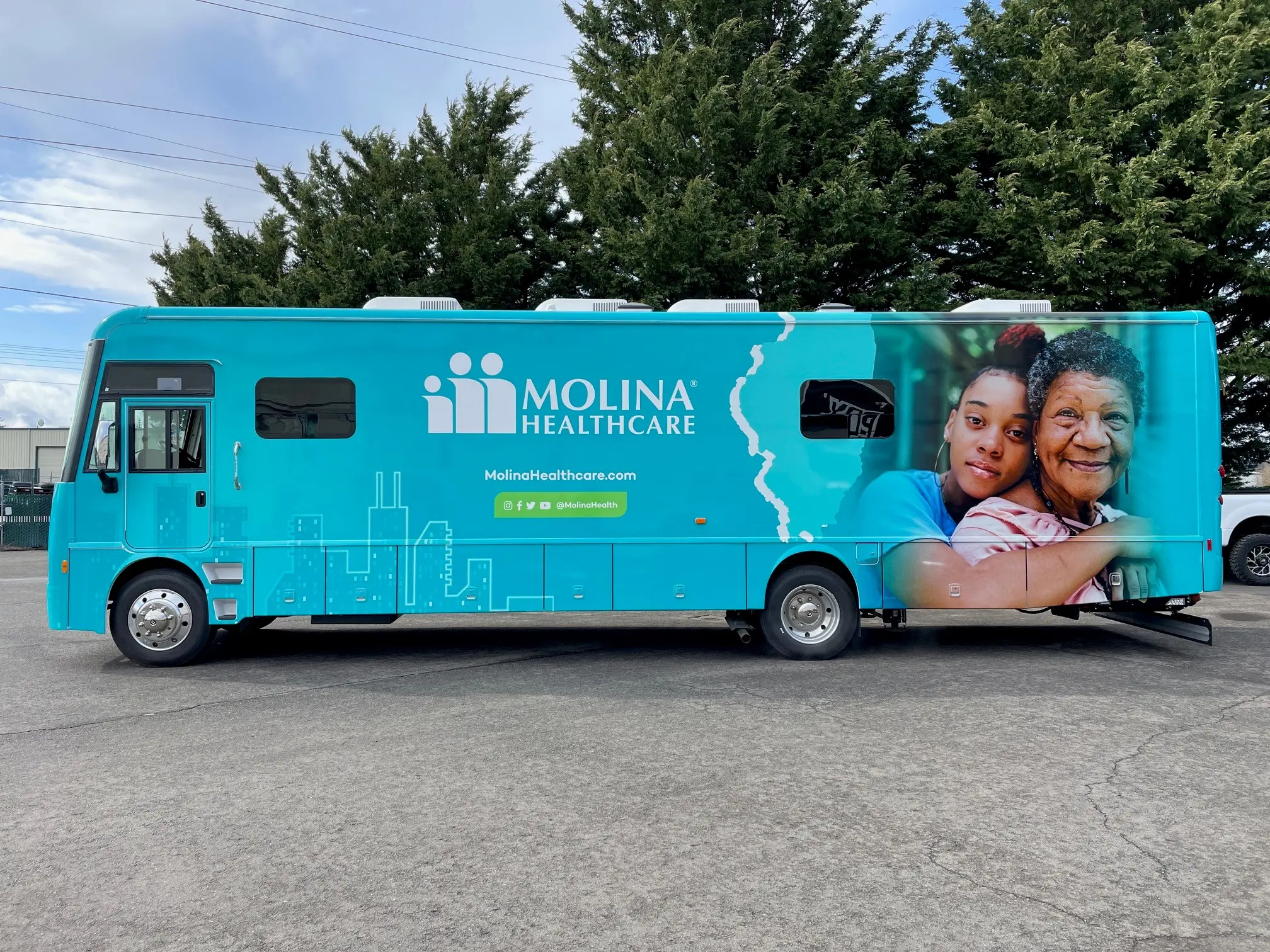
Molina Healthcare Expands Internal Quickbase Development Capabilities with Quandary
The Client Profile: Monlia Healthcare
Client: Molina Healthcare
Industry: Healthcare / Managed Care
Project: Quickbase Collaborative Application Development
Use Case: Collaborative Application Development, Quickbase Enablement, Internal Builder Support, Application Governance & Knowledge Transfer
Molina Healthcare operates in a complex healthcare environment where technology teams must continuously respond to changing operational requirements while maintaining the security, consistency, and reliability expected of enterprise applications.
As organizations expand their use of low-code platforms such as Quickbase, the challenge is not simply determining whether an application can be built.
The larger question is whether internal teams can design, maintain, govern, and continue improving those applications after the initial development work is complete.
Molina Healthcare worked with Quickbase and Quandary Consulting Group through a collaborative application development model designed to combine external Quickbase expertise with internal ownership.
Rather than outsourcing the entire development process, Quandary provided hands-on application development assistance and strategic coaching while Molina's internal builders remained directly involved in designing, developing, and deploying the application.
This approach creates a different model for enterprise low-code development: Expert Guidance + Collaborative Development + Internal Builder Enablement → Sustainable Application Ownership
The Challenges
Scaling Quickbase Without Creating Long-Term Developer Dependency
Low-code platforms allow organizations to build operational applications faster than traditional software development models; but, speed alone does not guarantee sustainability.
When an external consultant builds an application independently, internal teams can inherit something they know how to use but do not necessarily know how to maintain.
This created a new form of technical dependency, because, when requirements change, the organization may need to return to the original developer. When new workflows need to be added, internal builders may not understand the underlying architecture. When issues emerge, troubleshooting can take longer because application knowledge exists outside the organization.
For a large enterprise healthcare organization, that creates an important strategic question: How can Molina accelerate Quickbase development while continuing to build its own internal application capabilities?
The collaborative development model addresses that challenge by changing the relationship between consultant and client.
Quandary does not operate as an isolated development team; instead, the work is structured around hands-on assistance and strategic coaching that helps Molina design, develop, and deploy its applications, while limiting the portion of any application built directly by the consulting team.
The objective becomes larger than delivering functionality, it becomes transferring application knowledge while the application is being developed.
The Solutions
Collaborative Quickbase Development and Internal Builder Enablement
Quandary works alongside Molina's internal team to provide specialized Quickbase expertise where it is most valuable while preserving Molina's ownership of the application. The model combines: Architecture → Coaching → Collaborative Development → Testing → Deployment → Internal Ownership
Instead of separating development from knowledge transfer, the two happen together.
Building Internal Quickbase Expertise
Traditional application training often happens after development; however, collaborative development reverses that model.
Molina's internal builders can learn while solving real application requirements, giving them context for understanding why particular design decisions are made. This can accelerate development of practical skills around:
- Data architecture
- Table relationships
- Workflow design
- Application configuration
- Reporting
- User experience
- Permissions
- Testing
- Troubleshooting
- Deployment
Instead of learning Quickbase only through generalized training examples, builders apply platform concepts to their organization's actual application environment.
Creating a Stronger Foundation for Application Governance
Internal ownership also has implications for governance. When builders understand how an application is structured, they are better positioned to evaluate future changes before making them.
They can understand relationships between tables, workflows, formulas, reports, and permissions rather than treating each requested change as an isolated configuration task.
That creates a stronger foundation for maintaining consistency as the application evolves.
Reducing the Knowledge Gap Between Development and Support
One of the most common challenges with outsourced application development occurs after launch. The people maintaining the system were not necessarily the people who built it, which always creates a knowledge gap.
Collaborative development reduces that gap because Molina's internal builders participate throughout the development lifecycle.
The knowledge surrounding the application becomes more distributed between external specialists and internal resources rather than remaining concentrated with the consultant.
Creating Technical Continuity
Quandary's engagement model also establishes defined internal ownership. Molina identifies primary users with Builder/Admin permissions who assume primary building responsibilities alongside the consulting team and serve as the principal points of contact.
This creates clearer accountability for the application after development; which meant, that instead of reaching deployment and then asking who owns the system, internal ownership is part of the operating model from the beginning.
The Results
By combining expert Quickbase guidance with hands-on internal development, Molina can accelerate application delivery while simultaneously strengthening the capabilities of the team responsible for supporting the platform over time.
The value therefore extends beyond the application itself.
- Internal builders gain practical experience
- Application knowledge remains closer to the organization
- Future enhancements become easier to manage internally
- Technical dependency can decrease, and the organization can build a stronger foundation for expanding Quickbase across additional business processes.
The result is a more sustainable low-code development model in which Molina can move faster today without sacrificing its ability to own, maintain, and improve applications tomorrow.
40% Faster Application Development
Access to Quandary's experienced Quickbase consultants helped internal builders move through architecture, configuration, troubleshooting, and development decisions more efficiently..
40% Reduction in External Development Dependency
Because Molina's internal builders remain actively involved throughout development, a greater percentage of future maintenance and enhancement work can now remain internal.
50% Faster Internal Builder Skill Development
Learning Quickbase through active development accelerated practical proficiency compared with training that is disconnected from real application requirements.
35% Faster Post-Launch Enhancements
Internal builders who understand the application's architecture can now make routine changes without requiring a new external resource to rediscover how the system works.
30% Reduction in Application Rework
Strategic coaching during architecture and development helped Molina's team identify structural issues earlier, before they become more expensive to correct.
40% Faster Troubleshooting
When internal builders understand how the application was designed, they can more quickly identify where problems originate.
25% Increase in Internal Development Capacity
The long-term benefit of builder enablement is not simply reducing consulting costs, it increases what Molina's own team can accomplish.
From Application Development to Internal Low-Code Capability
The larger value of the Molina engagement is not simply the functionality created during a defined period of consulting.
It is the capability that remains afterward.
- Quandary contributes specialized Quickbase expertise.
- Molina's builders contribute business context and participate directly in development.
Architecture decisions become learning opportunities, technical challenges become practical training, and application development becomes a mechanism for building internal capability.
That creates a progression that looks like: Business Requirement → Collaborative Design → Guided Development → Internal Learning → Deployment → Independent Ownership → Continuous Improvement.
Instead of depending on consultants for every application change, Molina can use specialized expertise (like Quandary) where it creates the greatest value while keeping more routine development and support capabilities inside the organization.
By combining Quickbase expertise with collaborative development and hands-on builder enablement, Quandary Consulting Group helps Molina Healthcare establish a more scalable model for low-code application development—one designed not only to deliver applications faster, but to strengthen the internal capabilities required to sustain them.
Our Latest Projects


Services
Industries
© 2026 Quandary Consulting Group 2026. All Rights Reserved.
Privacy Policy