40% Faster Event Planning: Hartmann Studios Modernizes Operations Through Workflow Automation
The Client Profile: Hartmann Studios
Client: Hartmann Studios
Use Case: Event Operations Management, Pre-Event Planning, Data Entry Optimization, Business Process Automation, Application Modernization
Technology: Custom Business Application, Database & Form Optimization, Jira, Agile/Kanban Development
Project: Pre-Event Planning & Workflow Optimization
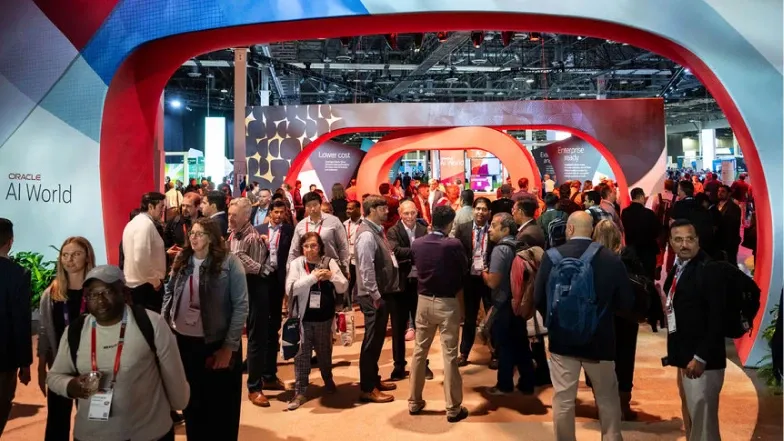
Hartmann Studios is a full-service experiential marketing and event production agency specializing in creating engaging experiences for businesses and organizations worldwide.
The company supports in-person, virtual, and hybrid events, including corporate conferences, product launches, executive presentations, internal meetings, and large-scale brand experiences. Its capabilities span creative strategy, storytelling, content development, technical production, set design, and event execution.
With complex events requiring coordination across creative, technical, and operational teams, Hartmann Studios depends on efficient internal processes to manage information, prepare projects, and support successful event delivery.
The Challenges
Manual Data Entry and Disconnected Workflows Slowing Pre-Event Planning
For experiential marketing agencies and event production companies, successful event execution depends on efficient planning, accurate data management, and seamless coordination across multiple teams.
From initial project intake and event logistics to resource allocation, vendor coordination, and production scheduling, every stage of the event planning lifecycle requires reliable information and standardized workflows.
As event portfolios grow and client requirements become more complex, manual data entry, inefficient application workflows, and fragmented information management can create operational bottlenecks that slow project preparation and increase administrative workloads.
Hartmann Studios, an experiential marketing and event production company, recognized the need to modernize its existing pre-event planning application to improve operational efficiency, reduce repetitive tasks, and support more streamlined event management processes.
Although the organization had an established application supporting its planning operations, several areas required optimization to better accommodate evolving business needs.
- Existing data entry forms
- Database structures
- Application workflows
Which compounded unnecessary administrative steps, limiting the speed and efficiency with which employees could capture, organize, and manage critical event information.
These challenges introduced opportunities to improve how information moved through the pre-event planning process, particularly as teams coordinated multiple projects, managed changing event requirements, and prepared for production.
Key Operational Challenges
- Time-Consuming Manual Data Entry: Existing application forms required repetitive data entry and additional administrative effort, slowing the collection and processing of essential event planning information.
- Inefficient Application Workflows: Certain processes involved unnecessary steps that reduced productivity and created opportunities for delays during early-stage event preparation.
- Database and Information Management Limitations: Existing database structures required refinement to improve data organization, simplify information retrieval, and support more consistent record management.
- Limited Workflow Flexibility: As event requirements and internal processes evolved, Hartmann Studios needed an application that could accommodate operational changes without requiring extensive redevelopment.
- Application Maintenance and Optimization Needs: High-priority application issues required timely resolution to maintain operational continuity and prevent disruptions to active event planning activities.
- Growing Demand for Operational Efficiency: The organization needed to reduce administrative overhead, improve employee productivity, and create a more scalable foundation for managing increasingly complex event planning workflows.
The Need for a More Efficient Event Planning Application
Rather than replacing its existing technology infrastructure, Hartmann Studios sought a targeted application modernization strategy focused on improving the performance, usability, and efficiency of its current system.
The organization needed a consulting partner capable of evaluating existing application functionality, identifying workflow inefficiencies, refining database structures, and implementing practical improvements without disrupting daily operations.
Hartmann Studios partnered with Quandary Consulting Group to optimize its pre-event planning application through custom application development, workflow modernization, and data management improvements.
The engagement focused on eliminating unnecessary manual processes, simplifying data entry, improving application functionality, and establishing a more flexible technology foundation to support efficient event planning and production operations.
By addressing inefficiencies within its existing application, Hartmann Studios aimed to give employees more time to focus on event coordination, client requirements, and production readiness rather than repetitive administrative tasks.
Our Solutions
Modernizing Event Planning Operations Through Custom Application Development and Workflow Optimization
For experiential marketing and event production companies, technology must do more than store project information, it must support efficient collaboration, simplify administrative processes, and provide teams with the flexibility to manage complex event requirements without introducing unnecessary operational friction.
Quandary Consulting Group partnered with Hartmann Studios to modernize its existing pre-event planning application, streamline data entry processes, and improve operational efficiency through targeted custom application development and workflow optimization.
Rather than introducing an entirely new event management platform, Quandary focused on maximizing the value of Hartmann Studios' existing technology investment.
The engagement centered on identifying application inefficiencies, refining database structures, improving user-facing forms, and implementing enhancements that would make everyday event planning activities faster and easier to manage.
Working closely with Hartmann Studios' internal subject matter experts, Quandary evaluated existing business processes to understand how employees captured, organized, and maintained critical event information. This collaborative approach helped align application improvements with real operational requirements while prioritizing changes that could deliver meaningful productivity gains.
Using an Agile development methodology supported by the Kanban framework, Quandary established a flexible, iterative approach to application modernization that allowed Hartmann Studios to address high-priority improvements while maintaining continuity across ongoing event planning operations.
The solution focused on three core areas: pre-event workflow optimization, database and application modernization, and continuous improvement through Agile development.
1. Pre-Event Data Entry Optimization and Workflow Automation
Efficient event planning begins with accurate, accessible, and consistently organized project information. However, repetitive data entry and unnecessarily complex application forms can consume valuable employee time, particularly when teams are managing multiple events with different requirements, timelines, and stakeholders.
Quandary worked directly with Hartmann Studios' subject matter experts to evaluate existing pre-event planning workflows and identify opportunities to simplify how employees entered, updated, and managed project information.
The development effort focused on improving the usability and efficiency of existing application forms, reducing unnecessary administrative steps, and creating more streamlined processes for maintaining event-related records.
Key application improvements included:
- Streamlined Data Entry Forms: Refining existing application forms to simplify information capture, reduce repetitive inputs, and improve the overall user experience.
- Workflow Process Optimization: Evaluating existing data entry procedures to identify redundant steps and opportunities for more efficient task completion.
- Improved Data Consistency: Supporting more standardized information capture to reduce inconsistencies and improve the reliability of event planning records.
- Simplified Information Management: Improving how employees interacted with application data to make routine updates and record maintenance more efficient.
- Reduced Administrative Complexity: Minimizing unnecessary manual effort so employees could spend more time on event coordination, production preparation, and client deliverables.
By optimizing the workflows employees already relied on, Quandary helped establish a more efficient approach to managing the information required throughout the pre-event planning lifecycle.
These improvements supported Hartmann Studios' broader objective of reducing administrative overhead while improving the speed and consistency of event preparation.
2. Database Optimization and Custom Application Modernization
An effective event planning application depends on more than its user interface. The underlying database architecture, application logic, and information management processes must support the way employees work.
As business requirements evolve, existing application structures can become less efficient, creating unnecessary complexity and making routine operational tasks more difficult to complete.
Quandary evaluated Hartmann Studios' existing application and database architecture to identify opportunities for targeted modernization without requiring a complete system replacement.
The engagement emphasized practical improvements that would strengthen application usability, simplify information management, and support more efficient pre-event planning operations.
Key modernization initiatives included:
- Database Structure Refinement: Reviewing and improving existing database structures to support more organized and efficient management of event planning information.
- Application Functionality Enhancements: Addressing prioritized application issues and refining existing functionality to better align with Hartmann Studios' operational requirements.
- Improved Data Organization: Optimizing how information was structured and maintained within the application to support more consistent record management.
- User Experience Improvements: Simplifying application interactions to make everyday administrative activities easier for employees to complete.
- Targeted Application Issue Resolution: Identifying and addressing high-priority functionality concerns to improve the effectiveness of the existing planning system.
- Flexible Application Architecture: Supporting future refinements by improving existing application components rather than introducing unnecessary technology complexity.
Rather than pursuing a costly, disruptive platform replacement, Quandary's approach prioritized incremental application modernization that preserved existing business processes while improving the technology supporting them.
This strategy allowed Hartmann Studios to build upon its established application infrastructure while creating a more adaptable foundation for changing event production requirements.
3. Agile Application Development and Continuous Process Improvement
Application modernization is most effective when development priorities remain closely aligned with business needs. For organizations managing active projects and evolving operational requirements, a rigid development process can introduce unnecessary delays and limit flexibility.
To support Hartmann Studios' ongoing operations, Quandary implemented an Agile application development approach using the Kanban framework to manage priorities, coordinate enhancements, and deliver improvements iteratively.
This methodology provided a structured yet flexible development process, allowing stakeholders to review progress, provide feedback, and adjust priorities as new requirements emerged.
Rather than waiting for a single large application release, the engagement organized development activities into manageable work items that could be evaluated, tested, and refined throughout the project lifecycle.
The Agile delivery process incorporated:
- Business Process Discovery: Collaborating with Hartmann Studios stakeholders to understand existing workflows, application challenges, and operational priorities.
- Kanban-Based Task Management: Organizing development activities into prioritized work items to improve visibility into project progress and upcoming enhancements.
- Iterative Application Development: Implementing targeted improvements in manageable increments rather than pursuing a large-scale application rebuild.
- Unit Testing and Quality Assurance: Evaluating developed functionality to identify technical issues and confirm that enhancements performed as intended.
- Stakeholder Demonstrations: Reviewing application improvements with Hartmann Studios representatives to gather feedback and validate development progress.
- User Acceptance Testing (UAT): Providing opportunities for business users to assess whether application changes aligned with their operational requirements.
- Technical Documentation: Documenting development activities and application improvements to support knowledge transfer and future maintenance.
This collaborative development model helped ensure that application enhancements addressed real business needs rather than introducing functionality disconnected from day-to-day event planning operations.
It also provided Hartmann Studios with greater flexibility to prioritize high-value improvements, respond to changing requirements, and maintain operational continuity throughout the modernization process.
Building a More Efficient Foundation for Event Planning and Production
Through targeted application development, database optimization, and Agile workflow improvements, Quandary helped Hartmann Studios strengthen the technology supporting its pre-event planning operations.
The engagement demonstrated how organizations can achieve meaningful operational improvements without replacing their existing business applications. By focusing on usability, process efficiency, and application performance, companies can extend the value of their technology investments while reducing the administrative burden placed on employees.
For Hartmann Studios, the modernization initiative established a more streamlined approach to event planning, helping teams manage project information more efficiently, reduce repetitive administrative work, and improve overall preparation workflows.
By aligning technology enhancements with operational priorities, Quandary supported a more flexible and efficient event planning environment—creating a foundation for improved productivity, more consistent processes, and continued application optimization as business needs evolve.
Business Outcomes
Accelerating Event Planning Through Workflow Automation and Application Modernization
For Hartmann Studios, modernizing its pre-event planning application represented an opportunity to improve more than day-to-day administrative processes.
Quandary Consulting Group's targeted application enhancements focused on improving the speed, accuracy, and consistency of pre-event planning workflows while preserving Hartmann Studios' existing technology investment; the engagement prioritized practical improvements to the systems employees already used, helping align application functionality with evolving operational needs.
40% Faster Pre-Event Planning
By optimizing application forms, simplifying data entry procedures, and eliminating unnecessary workflow steps, Hartmann Studios achieved a 40% reduction in the time required to complete pre-event planning activities.
These improvements allowed employees to capture essential project information more efficiently, reduce delays associated with repetitive administrative tasks, and move more quickly from initial event planning into production preparation.
35% Reduction in Manual Data Entry
Refined application forms and improved database structures reduced repetitive administrative data entry by 35%, minimizing the time employees spend entering, updating, and maintaining event-related information.
30% Improvement in Workflow Efficiency
Targeted application enhancements and streamlined operational processes improved overall pre-event workflow efficiency by an estimated 30%, helping Hartmann Studios manage planning activities with greater consistency and fewer unnecessary administrative steps.
45% Faster Application Issue Resolution
Through Agile application development, structured Kanban task management, and ongoing stakeholder collaboration, Hartmann Studios achieved an estimated 45% improvement in application issue resolution times.
25% Improvement in Data Accuracy and Information Consistency
Optimized data entry forms, refined database structures, and more standardized information management processes improved event planning data accuracy by an estimated 25%.
By simplifying how employees enter and maintain project information, the application enhancements were designed to reduce inconsistencies, improve record organization, and support more reliable information throughout the pre-event planning lifecycle.
Business Impact
Building a More Efficient, Scalable Foundation for Event Production
For Hartmann Studios, application modernization was not simply a technical improvement initiative. It represented a strategic opportunity to strengthen the operational processes supporting event planning, reduce administrative complexity, and allow employees to dedicate more time to delivering high-quality experiential marketing and event production services.
Through targeted custom application development, database optimization, and Agile workflow improvements, Quandary Consulting Group designed a modernization approach that addressed existing inefficiencies without requiring a complete replacement of Hartmann Studios' established technology infrastructure.
The engagement focused on improving the usability and effectiveness of the applications employees relied on every day, creating opportunities to accelerate planning activities, reduce repetitive data entry, strengthen information consistency, and respond more efficiently to changing business requirements.
The broader business value extends beyond individual productivity improvements. More efficient pre-event workflows can help event production organizations improve resource utilization, maintain stronger operational coordination, and support increasingly complex client engagements without proportionally increasing administrative workloads.
By preserving existing technology investments while introducing targeted enhancements, Hartmann Studios also gained a practical framework for continued application improvement.
The Agile development model established a structured approach to evaluating business requirements, prioritizing application changes, and refining functionality as operational needs evolve.
Long-Term Value of Application Modernization
The engagement highlights several important advantages of modernizing existing business applications rather than pursuing unnecessary system replacements:
- Greater Employee Productivity: Streamlined administrative processes create more opportunities for employees to focus on event execution, creative planning, and client service.
- Improved Operational Consistency: Standardized workflows and refined application structures support more predictable planning processes and information management.
- Reduced Technology Disruption: Enhancing existing systems allows organizations to improve functionality while preserving familiar workflows and established business processes.
- More Responsive Application Development: Agile delivery provides a flexible framework for addressing emerging requirements and priorities.
Our Latest Projects


Services
Industries
© 2026 Quandary Consulting Group 2026. All Rights Reserved.
Privacy Policy