AI Contact Center
AI-Driven Patient Access Starts with Better Metrics | The 10 Healthcare Contact Center KPIs Every Executive Should Track

Healthcare contact centers have become one of the most strategic departments inside modern health systems.
They are no longer simply answering phone calls—they are responsible for managing the first impression patients have of an organization while supporting appointment scheduling, referral management, insurance verification, nurse triage, prescription requests, billing questions, digital engagement, and countless administrative workflows.
As healthcare organizations continue facing workforce shortages, increasing patient expectations, reimbursement pressures, and growing administrative complexity, executive leadership is looking toward Artificial Intelligence (AI) to fundamentally modernize patient communications.
According to McKinsey, administrative processes account for hundreds of billions of dollars in annual healthcare spending, much of which can be streamlined through intelligent automation and AI-powered workflows. At the same time, Gartner predicts AI will become embedded across nearly every customer service operation, augmenting—not replacing—human agents while dramatically improving productivity.
The healthcare organizations leading patient experience in 2026 aren't simply hiring more agents, they are building intelligent contact centers.
Solutions from Dialpad and Broadvoice now combine conversational AI, real-time coaching, intelligent routing, speech analytics, workforce optimization, and automation into a unified platform capable of dramatically improving both patient satisfaction and operational performance.
But before implementing AI, organizations need to understand which metrics truly matter.
Below are the ten KPIs every healthcare executive should monitor in 2026.
Why Traditional Contact Center Metrics Are No Longer Enough
Historically, healthcare organizations focused on basic measurements such as:
- Average Hold Time
- Calls Answered
- Abandonment Rate
- Service Level
While these remain important, they provide only a partial picture. Modern AI-powered contact centers continuously analyze every patient interaction—not just call statistics—to understand:
- Patient sentiment
- Agent performance
- Workflow bottlenecks
- Automation opportunities
- Revenue leakage
- Scheduling efficiency
- Workforce utilization
Instead of asking: "How many calls did we answer?"
Executives should be asking: "How efficiently did we resolve patient needs?"
Top 10 Healthcare Contact Center Metrics that Improve with AI Implementations
1. First Call Resolution (FCR)
For healthcare organizations, every patient interaction represents an opportunity to strengthen trust—or create unnecessary frustration. One of the clearest indicators of operational excellence is First Call Resolution (FCR), which measures the percentage of patient issues resolved during the initial interaction without requiring transfers, callbacks, or additional follow-up. While improving FCR has always been a priority, it has become even more critical in 2026 as health systems face staffing shortages, increasing call volumes, and higher patient expectations for seamless service.
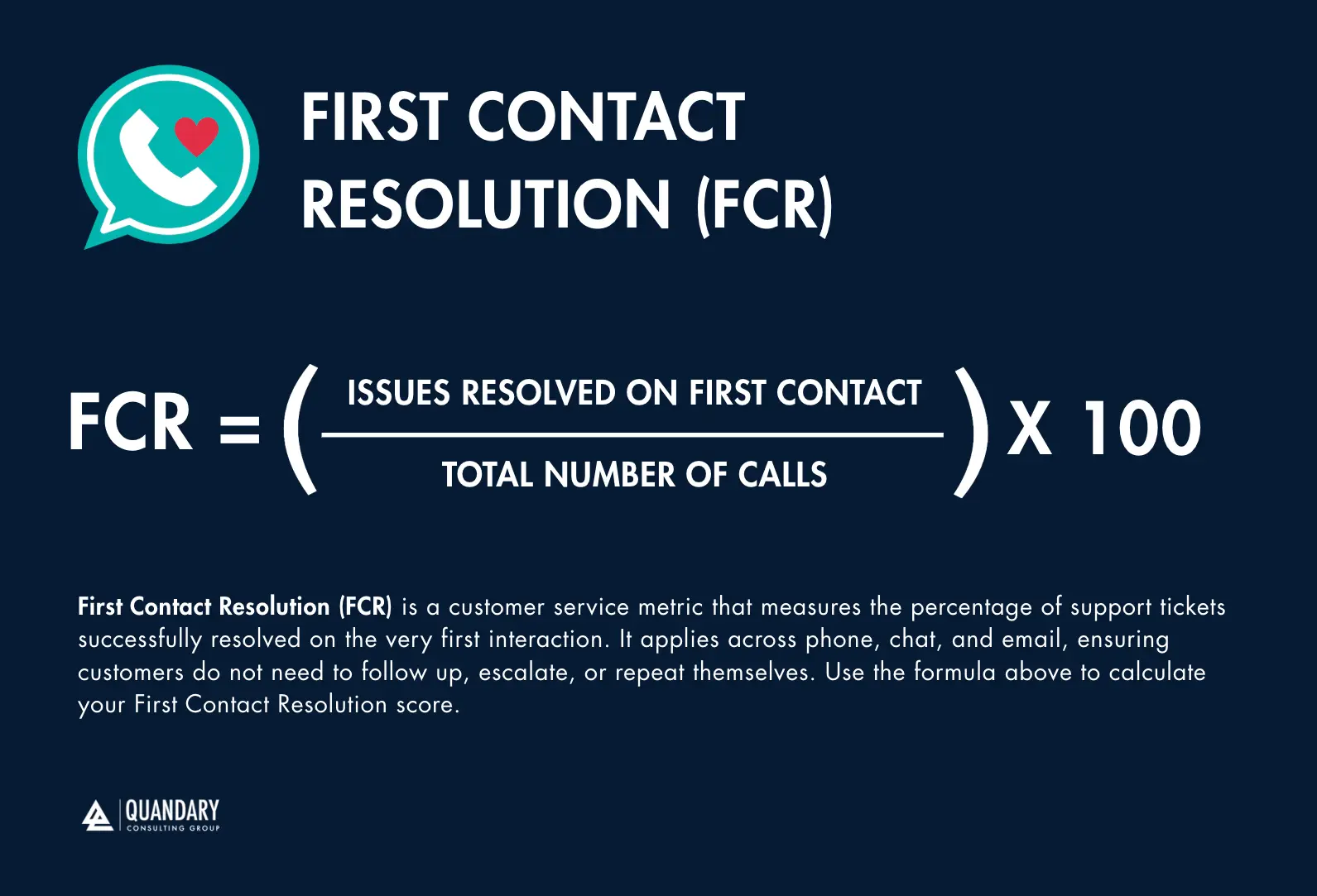
When patients must call multiple times to resolve a scheduling issue, clarify an insurance question, or obtain information about a referral, the experience quickly becomes frustrating. Repeated interactions also consume valuable staff time, increase operational costs, and often delay access to care. In many organizations, poor FCR is not the result of underperforming employees—it is the result of disconnected systems, inconsistent knowledge management, and workflows that require agents to navigate multiple applications while patients wait on hold.
Artificial intelligence is fundamentally changing this dynamic. Instead of forcing agents to search across multiple systems or rely on memory, AI surfaces relevant information in real time, reducing cognitive load and enabling agents to resolve complex inquiries more efficiently. AI-powered conversation intelligence also captures contextual information automatically, ensuring continuity across patient interactions and reducing the likelihood of repeat calls.
Dialpad's AI Contact Center improves FCR by providing:
- Live call transcription that eliminates manual note-taking
- AI-generated summaries that automatically capture key discussion points
- Real-time knowledge recommendations during conversations
- Agent assist capabilities that surface policies, procedures, and answers instantly
- Sentiment analysis that alerts supervisors when conversations require intervention
Broadvoice GoContact complements these capabilities by ensuring patients reach the most appropriate resource the first time through:
- Intelligent skills-based routing
- AI-powered intent detection
- Omnichannel routing across voice, SMS, chat, and digital channels
- CRM integration that provides historical patient context before the conversation begins
Real-World Healthcare Example
A patient contacts a cardiology clinic to reschedule a follow-up appointment after receiving a referral from their primary care physician. Instead of being transferred between scheduling, referrals, and insurance verification teams, AI identifies the patient's intent, retrieves the referral information, verifies insurance eligibility, presents available appointment times, and equips the scheduling representative with all necessary information before answering the call. What previously required three separate conversations is completed during a single interaction.
Healthcare Executive KPIs
Organizations should monitor:
- Overall First Call Resolution percentage
- Repeat call rate within seven days
- Average transfers per patient interaction
- Escalation rate
- Resolution time by service line
Healthcare Executive Insight
Traditional Target Score for FCR: 80–90%
Healthcare organizations that consistently achieve First Call Resolution rates above 85 percent often report higher patient satisfaction, lower operational costs, and improved workforce productivity because both patients and staff spend less time managing avoidable follow-up interactions.
2. Average Speed of Answer (ASA)
Few operational metrics have as immediate an impact on patient perception as Average Speed of Answer (ASA). The amount of time a patient spends waiting to speak with someone often shapes their opinion of the entire healthcare organization before a conversation even begins. In today's competitive healthcare environment, patients increasingly compare their experiences to the responsiveness they receive from banks, airlines, and retailers. Long wait times are no longer viewed as an unavoidable part of healthcare—they are seen as a sign of inefficiency.
Reducing ASA is not simply about hiring additional agents. Many contact centers continue to experience high call volumes driven by routine inquiries such as appointment scheduling, prescription refill requests, office hours, directions, and insurance questions. These interactions consume valuable resources that could otherwise be focused on patients with more complex clinical or administrative needs.
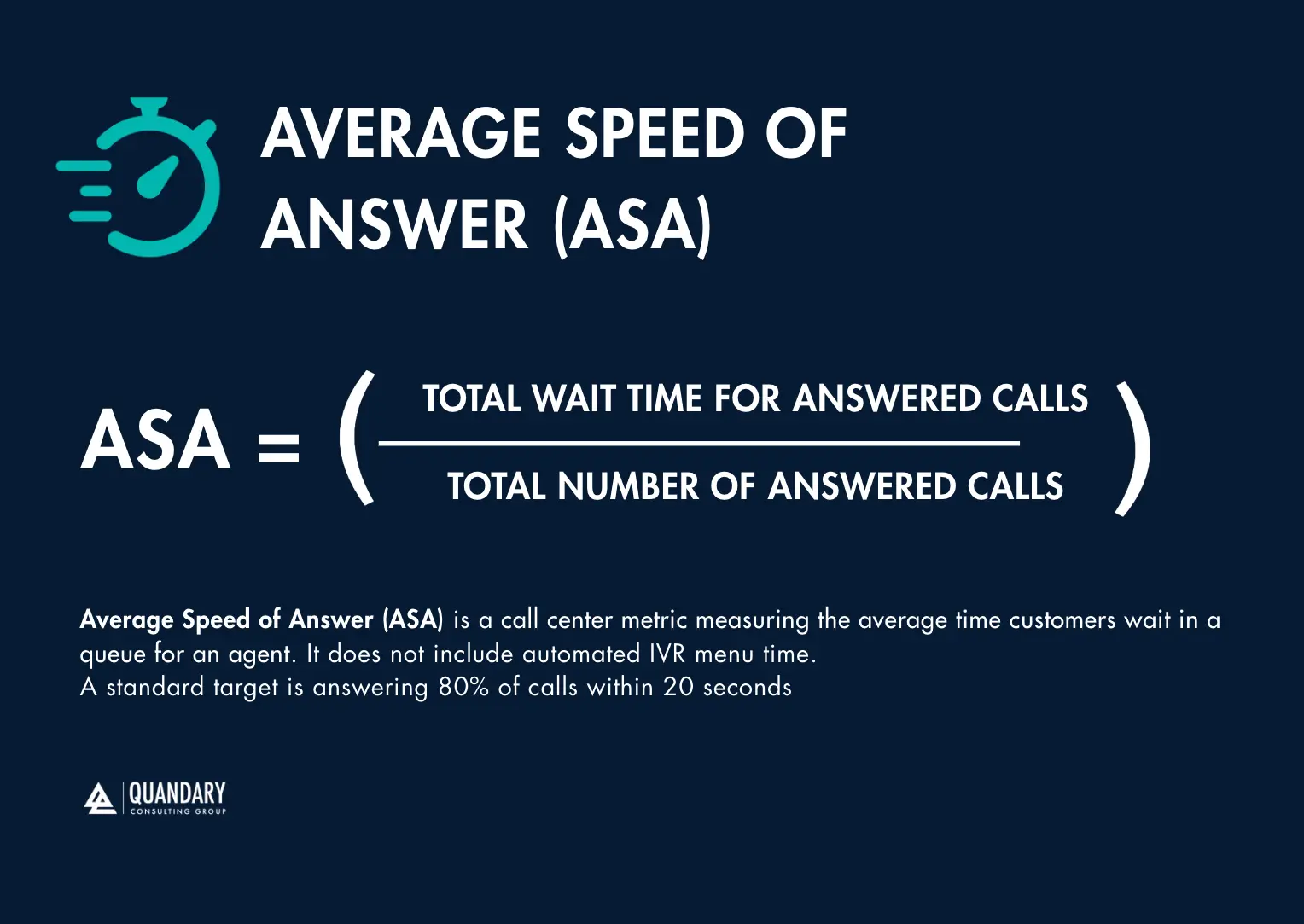
Artificial intelligence enables healthcare organizations to reduce wait times by automating routine interactions, intelligently prioritizing urgent requests, and directing patients to the most appropriate resource without unnecessary delays. Instead of every caller entering the same queue, AI evaluates the purpose of the interaction and determines the most efficient path to resolution.
Dialpad helps reduce Average Speed of Answer by:
- Deploying AI-powered virtual agents capable of handling common patient requests
- Automatically authenticating callers before transferring them to live staff
- Using conversational AI to collect information before an agent joins the interaction
- Providing real-time summaries that allow agents to immediately understand the patient's needs
Broadvoice GoContact further accelerates response times through:
- Intelligent call distribution based on patient intent and agent skills
- Omnichannel queue management across voice, chat, SMS, and email
- Dynamic routing that balances workloads across teams
- Workforce optimization tools that forecast staffing requirements based on historical demand
Real-World Healthcare Example
During flu season, a health system experiences a surge in calls related to vaccination appointments. Rather than overwhelming scheduling staff, an AI virtual assistant answers routine questions, confirms eligibility, identifies the patient's preferred location, and schedules appointments automatically. Only complex inquiries requiring human judgment are transferred to live representatives, significantly reducing average wait times across the organization.
Healthcare Executive KPIs
Leaders should monitor:
- Average Speed of Answer by department
- Queue wait times
- Peak-hour response performance
- AI containment rate for routine inquiries
- Percentage of calls answered within service-level agreements
Healthcare Executive Insight
Organizations that combine AI-powered self-service with intelligent workforce optimization are often able to improve responsiveness without proportionally increasing staffing levels, allowing resources to be redirected toward higher-value patient interactions.
3. Call Abandonment Rate
A patient's willingness to remain on hold has become one of the clearest indicators of how accessible a healthcare organization truly is. Call Abandonment Rate measures the percentage of callers who disconnect before speaking with an agent or completing their request. While it has traditionally been viewed as a contact center metric, leading healthcare organizations now recognize abandonment as a direct measure of patient access, revenue protection, and overall patient experience.
Every abandoned call represents more than a missed conversation—it often represents a missed opportunity to deliver care. A patient attempting to schedule an appointment may decide to seek treatment from another provider. Someone calling about a prescription refill could experience delays in medication adherence. A patient with questions about a referral or insurance authorization may postpone treatment altogether because they were unable to reach the right person.
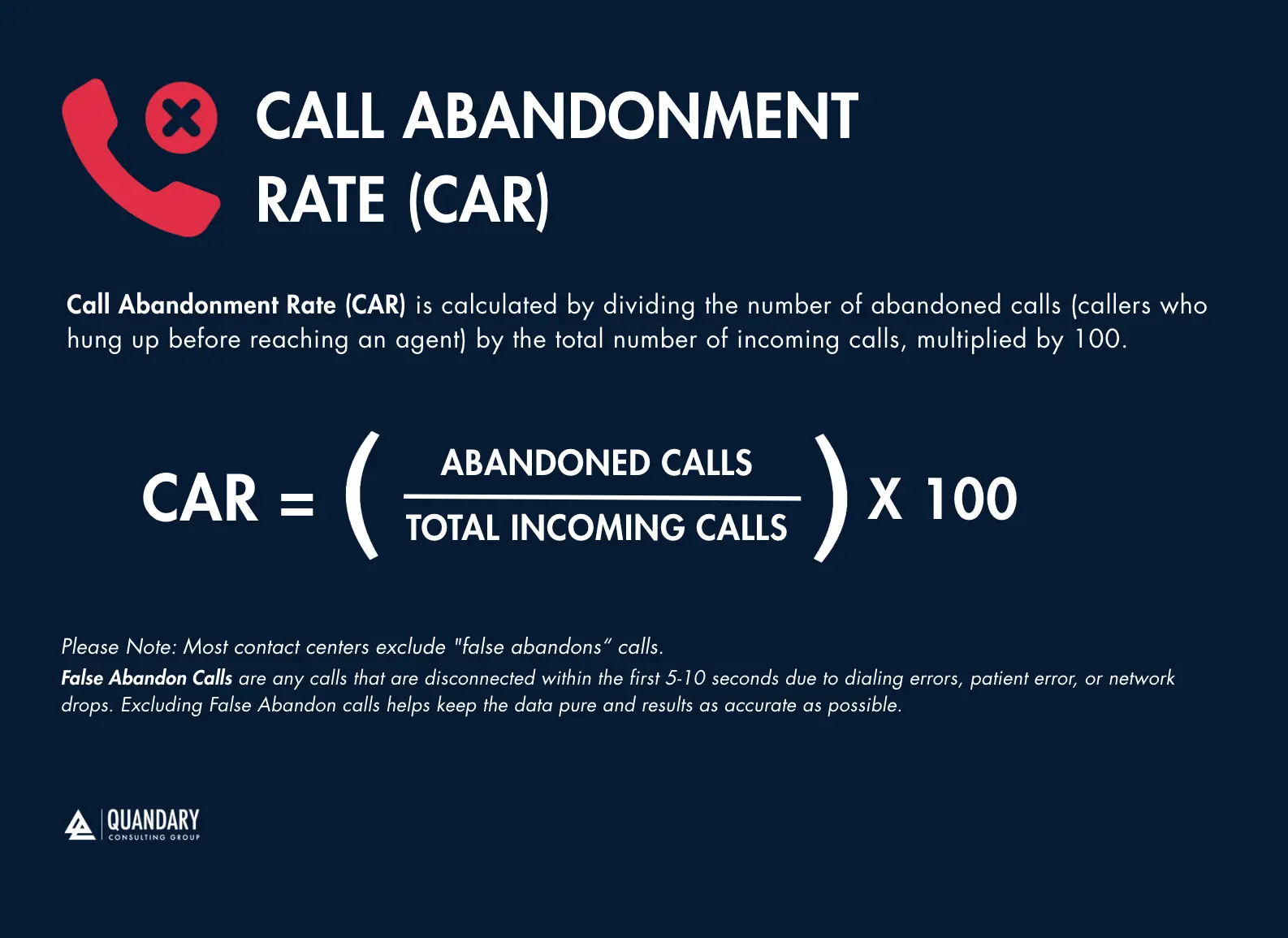
The financial implications are equally significant. Each abandoned scheduling call can translate into lost appointments, reduced downstream revenue, and lower provider utilization. When multiplied across thousands of monthly interactions, even a modest increase in abandonment can have a measurable impact on both patient outcomes and organizational performance.
Many healthcare organizations attempt to solve abandonment by simply increasing staffing levels. While additional staff may temporarily reduce queue times, it rarely addresses the underlying causes. High abandonment rates are often symptoms of inefficient workflows, poor call routing, limited self-service capabilities, inconsistent staffing models, or repetitive administrative tasks that prevent agents from focusing on patients who genuinely require human assistance.
Artificial intelligence enables healthcare organizations to approach abandonment differently. Rather than forcing every patient into the same queue, AI evaluates the patient's intent, urgency, and historical interactions before determining the most efficient path to resolution. Routine requests can often be completed automatically, while more complex inquiries are intelligently prioritized for live agents.
Dialpad Healthcare helps reduce abandonment by providing:
- AI-powered virtual agents that answer common patient questions 24 hours a day, seven days a week
- Conversational AI capable of scheduling appointments without agent involvement
- Intelligent callback options that eliminate the need for patients to remain on hold
- Natural language processing that quickly identifies patient intent
- Real-time queue management that prioritizes urgent patient needs
Broadvoice GoContact further improves accessibility through:
- Intelligent omnichannel routing across voice, SMS, web chat, email, and messaging platforms
- Dynamic queue management that balances workloads between departments
- Skills-based routing that connects patients with the most qualified representative the first time
- Workforce forecasting that anticipates spikes in demand and optimizes staffing schedules
- AI-assisted call distribution that minimizes unnecessary wait times
Healthcare organizations are also increasingly leveraging AI to shift simple interactions away from voice altogether. Patients who simply need office hours, appointment confirmations, billing balances, or prescription status updates can often receive immediate assistance through conversational AI without ever entering a call queue.
Real-World Healthcare Example
Imagine a regional health system during open enrollment season. Thousands of patients call each week with questions about insurance eligibility, provider participation, appointment scheduling, and benefits. Historically, these spikes created hold times exceeding twenty minutes, resulting in significant call abandonment and frustrated patients.
After implementing AI-powered virtual agents and intelligent workforce optimization through Broadvoice GoContact, routine insurance and scheduling questions are resolved automatically before reaching a live representative. Patients requiring complex financial counseling or clinical coordination are immediately prioritized for specialized staff. Average hold times fall dramatically, abandonment rates decrease, and patient access improves without requiring significant increases in staffing.
Healthcare Executive KPIs
Healthcare executives should continuously monitor:
- Overall Call Abandonment Rate
- Average queue wait time
- Callback acceptance rate
- AI containment rate (interactions fully resolved without an agent)
- Peak-hour abandonment percentage
- Abandonment by service line or department
- Percentage of abandoned callers who successfully reconnect
- Revenue impact associated with abandoned scheduling calls
Healthcare Executive Insight
Reducing abandonment is no longer simply about answering more calls—it is about ensuring patients can access care through the most efficient channel available. Organizations that successfully combine AI-powered self-service, intelligent routing, and workforce optimization consistently improve patient access while reducing operational costs and minimizing unnecessary administrative workload.
4. Average Handle Time (AHT)
Average Handle Time (AHT) has long been one of the most widely monitored metrics within healthcare contact centers. Traditionally, organizations viewed shorter conversations as a sign of operational efficiency, often encouraging agents to reduce call length wherever possible. While this approach may have improved productivity on paper, it frequently came at the expense of patient satisfaction and long-term outcomes.
Today's healthcare leaders recognize that Average Handle Time should never be measured in isolation. A shorter call is only valuable if the patient's issue is fully resolved. Rushing conversations often leads to repeat calls, additional transfers, patient dissatisfaction, and increased administrative burden. In many cases, attempting to reduce handle time without addressing workflow inefficiencies actually increases total workload across the organization.
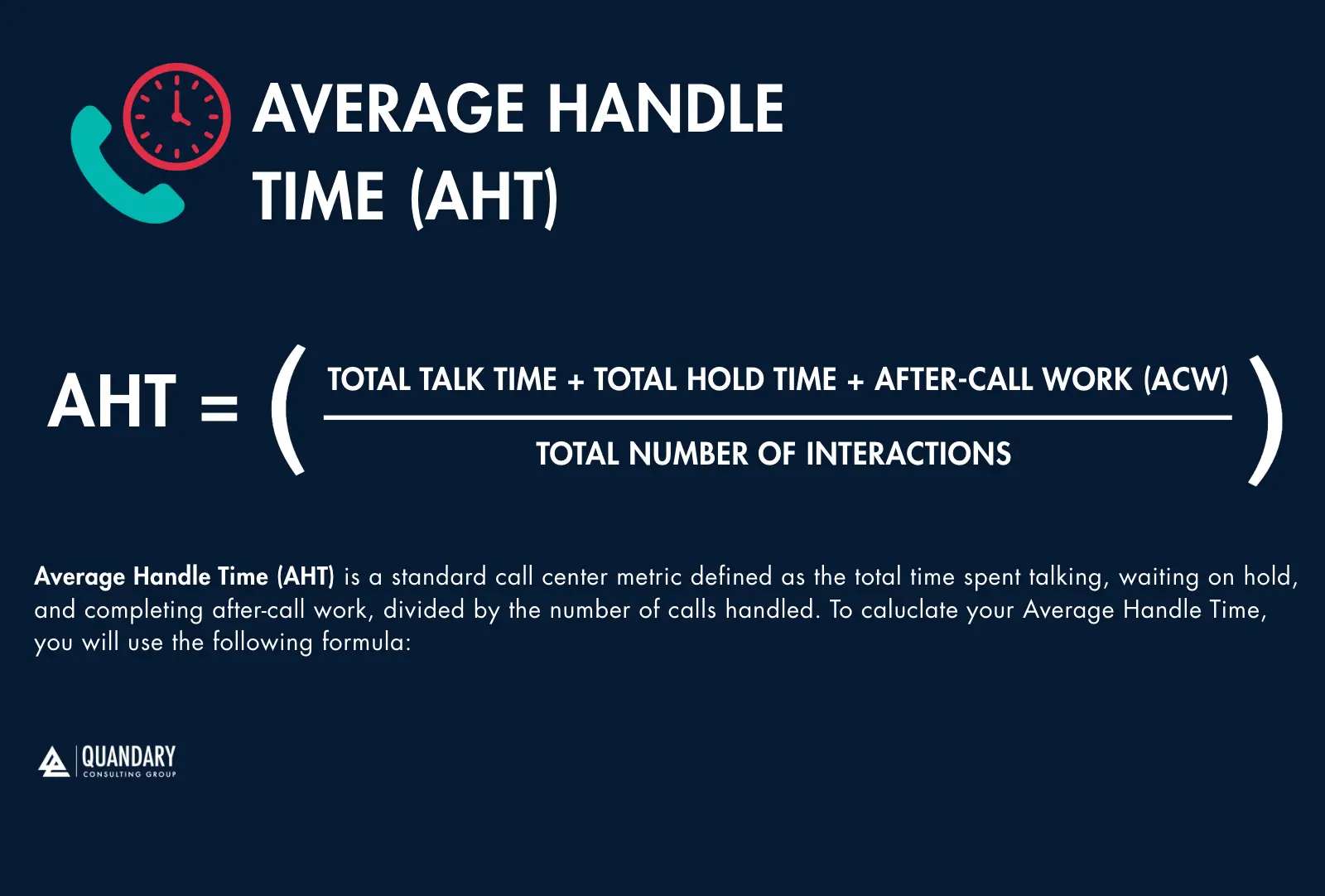
Healthcare contact center representatives spend a significant portion of every interaction performing administrative tasks rather than assisting patients. Agents frequently switch between multiple systems to verify insurance, update demographic information, review electronic health records, document call notes, schedule appointments, send follow-up communications, and complete compliance documentation. These activities often consume as much time after the call as the conversation itself.
Artificial intelligence fundamentally changes how organizations think about Average Handle Time by automating repetitive administrative processes instead of forcing agents to work faster. Rather than replacing healthcare employees, AI allows them to spend more of their time engaging directly with patients while reducing the documentation burden that has historically contributed to burnout.
Dialpad AI Contact Center dramatically improves Average Handle Time by automating many of the tasks that occur during and after each interaction, including:
- Real-time transcription of every patient conversation
- Automatic AI-generated call summaries
- Suggested follow-up actions and disposition codes
- Live knowledge recommendations based on conversation context
- Automatic identification of action items
- Sentiment analysis that highlights potential escalation risks
- Supervisor coaching recommendations without requiring manual call reviews
Broadvoice GoContact complements these capabilities by streamlining operational workflows through:
- Intelligent call routing that minimizes unnecessary transfers
- Workforce optimization tools that reduce idle time while balancing workloads
- CRM and healthcare application integrations that eliminate duplicate data entry
- Omnichannel engagement that allows patients to continue conversations across voice, SMS, chat, and email
- AI-powered workflow automation that triggers downstream administrative processes after the interaction concludes
Together, these capabilities significantly reduce the amount of manual work required before, during, and after each patient interaction.
Real-World Healthcare Example
A patient contacts a hospital's revenue cycle department with questions regarding an unexpected medical bill. Before AI implementation, the representative manually verifies patient identity, searches multiple systems for insurance information, documents detailed notes, creates follow-up tasks, and sends confirmation emails after the call concludes. Although the conversation lasts only eight minutes, the total interaction requires nearly fifteen minutes when administrative work is included.
After implementing Broadvoice GoContact, patient authentication occurs automatically, conversation transcripts are generated in real time, AI produces a complete call summary, follow-up tasks are automatically created within the CRM, and confirmation messages are triggered through integrated workflows. The representative spends nearly the entire interaction focusing on the patient's concerns rather than administrative documentation.
The result is not simply a shorter conversation—it is a significantly more productive employee and a much better patient experience.
Healthcare Executive KPIs
Healthcare organizations should evaluate Average Handle Time alongside broader operational metrics, including:
- Average talk time
- Average hold time
- Average after-call work (ACW)
- Total interaction time
- First Call Resolution
- Repeat call rate
- Documentation time per interaction
- Agent productivity
- Patient Satisfaction (CSAT)
Monitoring these metrics together provides a more complete picture of operational efficiency than Average Handle Time alone.
Healthcare Executive Insight
The most efficient healthcare contact centers are not those with the shortest conversations—they are the ones that eliminate unnecessary administrative effort. By using AI to automate documentation, summarize conversations, surface relevant information, and initiate downstream workflows, organizations enable agents to focus on what matters most: delivering exceptional patient care.
In 2026, reducing Average Handle Time is no longer about ending conversations faster—it is about making every minute of the interaction more valuable for both patients and staff.
5. Patient Satisfaction (CSAT)
Patient satisfaction has become one of the most influential measures of healthcare organizational performance. Every interaction with a contact center—whether scheduling an appointment, requesting a prescription refill, verifying insurance coverage, or asking a billing question—shapes how patients perceive the quality of care they receive. In many cases, the contact center is the patient's first and most frequent point of interaction with a healthcare organization, making it a critical driver of loyalty, trust, and long-term patient retention.
Historically, healthcare organizations measured patient satisfaction using post-call surveys or standardized patient experience questionnaires. While these tools continue to provide valuable insights, they capture feedback from only a small percentage of patients. Most individuals simply hang up without completing a survey, leaving organizations with an incomplete picture of their overall performance. Even when surveys are completed, they often reflect only the patient's final impression rather than the full context of the interaction.
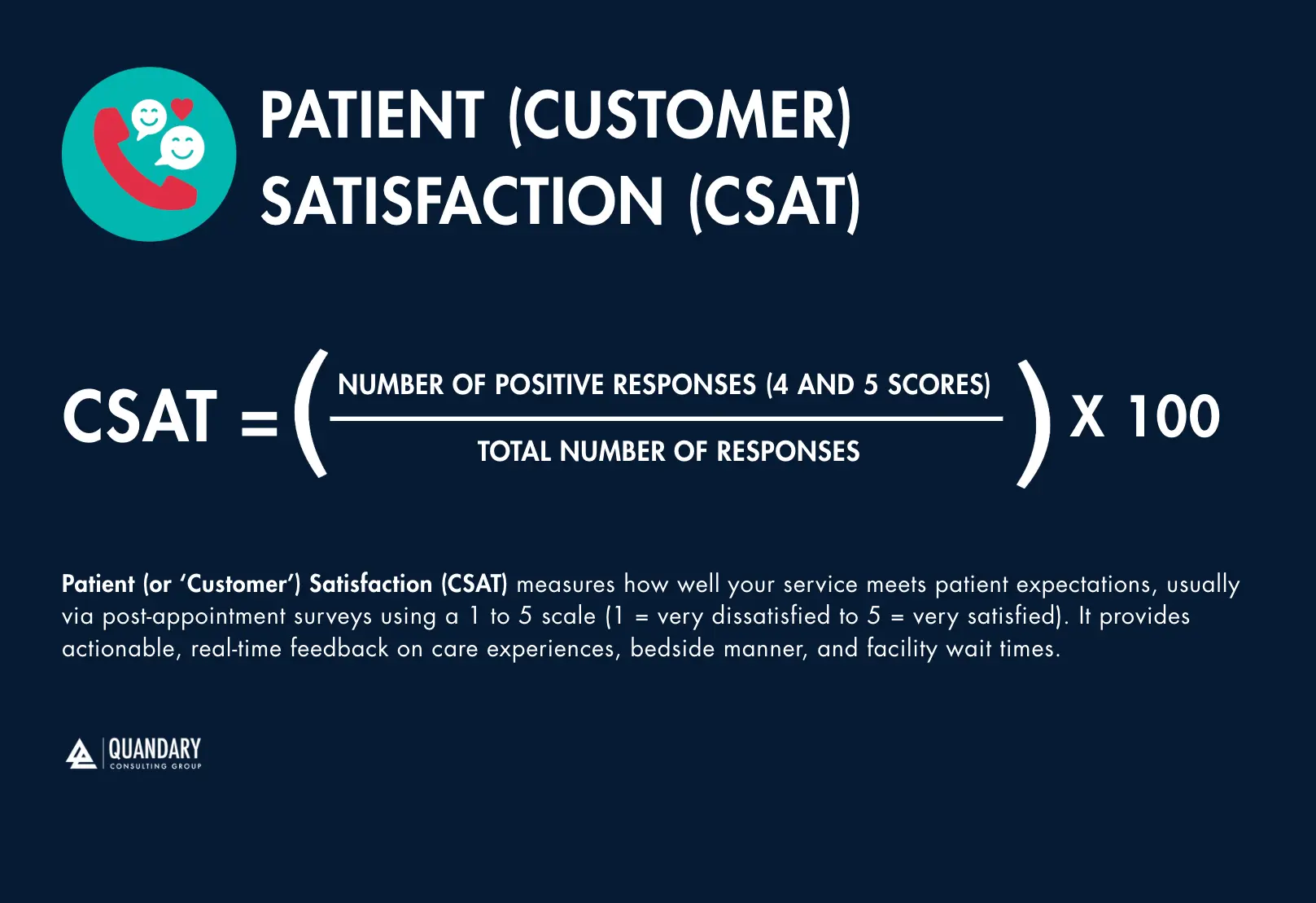
In 2026, artificial intelligence is transforming how healthcare organizations measure and improve patient satisfaction. Rather than relying solely on survey responses, AI continuously analyzes every interaction to identify patterns that influence the patient experience. Speech analytics, sentiment analysis, conversational intelligence, and predictive analytics allow organizations to understand how patients feel throughout an interaction—not just after it ends.
This shift enables leaders to proactively identify issues before they become systemic problems. Instead of waiting for declining satisfaction scores to appear in quarterly reports, AI can detect frustration, confusion, long periods of silence, repeated questions, or escalating conversations in real time, giving supervisors the opportunity to intervene immediately and coach agents more effectively.
Dialpad provides advanced capabilities that help improve patient satisfaction by:
- Automatically analyzing patient sentiment throughout every conversation
- Identifying emotional cues, frustration, and escalation risks using conversational AI
- Providing supervisors with real-time alerts during high-risk interactions
- Delivering AI-powered coaching recommendations to improve communication and empathy
- Generating complete conversation summaries that preserve context for future interactions
- Measuring trends across thousands of conversations to identify recurring patient concerns
Broadvoice GoContact enhances the patient experience by supporting seamless engagement across multiple communication channels, including:
- Voice
- SMS messaging
- Live web chat
- Social and digital messaging channels
Patients increasingly expect the flexibility to communicate using the channel that is most convenient for them. Broadvoice enables organizations to deliver a consistent experience regardless of how patients choose to engage while maintaining complete interaction histories across every channel.
Broadvoice also supports intelligent routing that connects patients with the most appropriate representative based on language preferences, service line, previous interactions, and specialized expertise, reducing frustration caused by unnecessary transfers.
Real-World Healthcare Example
Consider a patient attempting to schedule a follow-up appointment after being discharged from the hospital. The patient begins by using an AI virtual assistant to request an appointment online but has questions about specialist availability and insurance authorization. Rather than requiring the patient to restart the conversation after being transferred to a live representative, the AI provides the agent with the full interaction history, allowing the conversation to continue seamlessly.
During the call, Dialpad detects increasing frustration as the patient expresses concern about appointment availability. The supervisor receives an automatic notification and is able to assist the representative with alternative scheduling options before the interaction escalates. The patient secures an earlier appointment, receives confirmation through SMS, and leaves the interaction feeling heard and supported.
This type of intelligent assistance not only improves satisfaction but also strengthens patient confidence in the organization as a whole.
Healthcare Executive KPIs
Healthcare leaders should monitor multiple indicators of patient satisfaction rather than relying on a single score, including:
- Customer Satisfaction Score (CSAT)
- Net Promoter Score (NPS)
- Patient sentiment trends
- Complaint rate
- Escalation frequency
- First Contact Resolution
- Patient effort score
- Digital channel satisfaction
- Survey response rate
- Repeat patient engagement
Analyzing these metrics together provides a more comprehensive understanding of the patient experience and helps identify operational improvements that may not be visible through traditional surveys alone.
Healthcare Executive Insight
Exceptional patient satisfaction is no longer achieved solely through courteous service—it is built through intelligent, connected experiences that reduce effort, eliminate unnecessary delays, and personalize every interaction. Healthcare organizations that leverage AI to continuously monitor patient sentiment, automate routine tasks, and empower employees with real-time insights are better positioned to strengthen patient loyalty while improving operational efficiency across the enterprise.
6. Agent Utilization
While patient experience often receives the greatest attention, healthcare executives increasingly recognize that exceptional patient outcomes begin with an engaged and productive workforce. Agent Utilization measures how effectively contact center employees spend their working hours handling patient interactions, completing administrative work, and supporting organizational objectives. When managed correctly, this metric helps organizations optimize staffing, improve productivity, and reduce operational costs. When managed poorly, it can contribute to employee burnout, declining morale, and increased turnover.
Healthcare contact centers continue to face significant workforce challenges in 2026. Rising call volumes, staffing shortages, increased administrative complexity, and growing patient expectations have placed extraordinary pressure on frontline employees. Representatives are expected to answer increasingly complex questions while navigating multiple applications, documenting every interaction, complying with regulatory requirements, and maintaining high-quality patient experiences—all within limited timeframes.
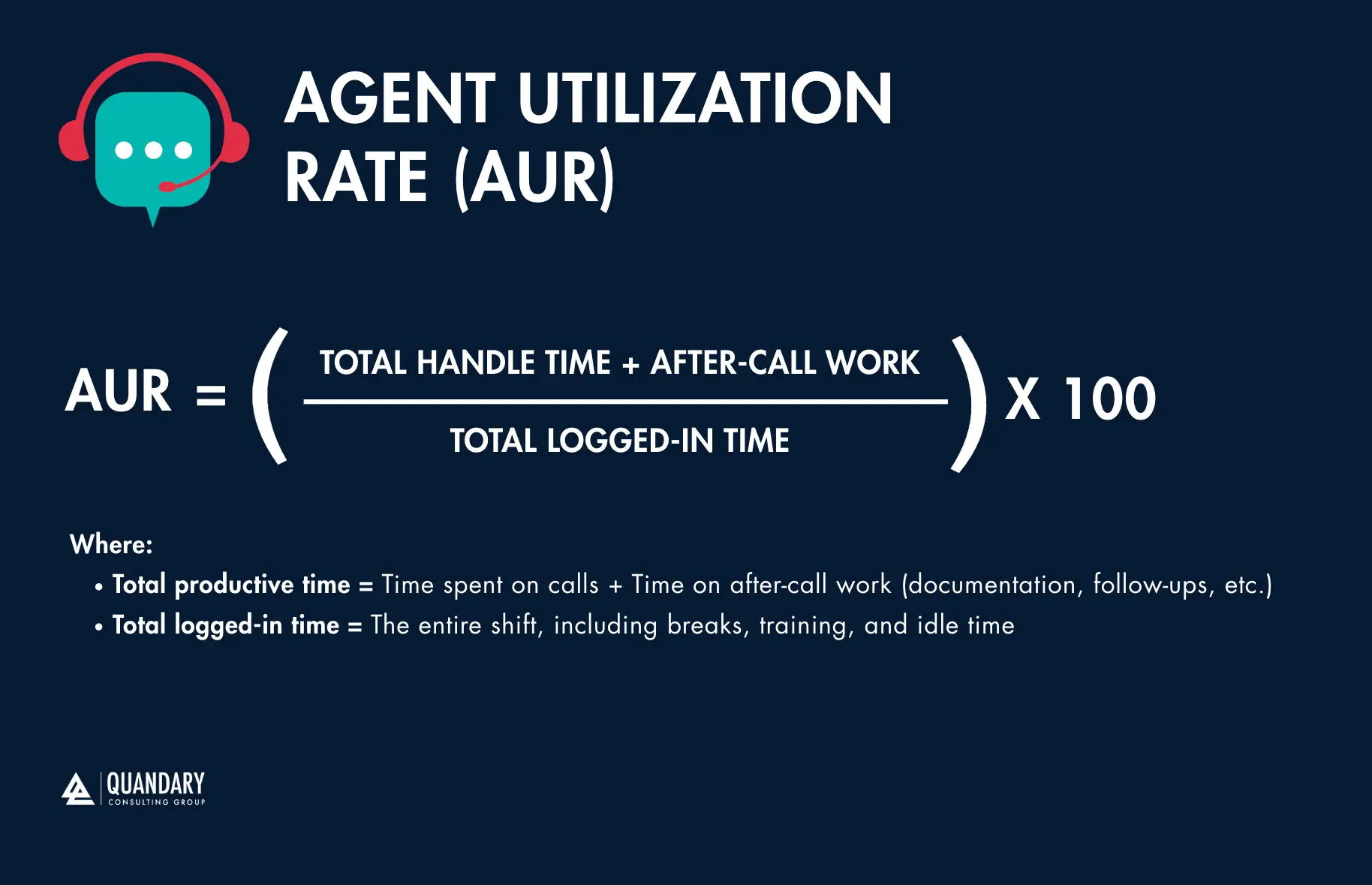
Traditional utilization metrics often focus solely on occupancy rates or the percentage of time agents spend actively handling calls. However, these measurements fail to account for the complexity of modern healthcare interactions. High utilization is not necessarily a sign of operational success. In many cases, it may indicate chronic understaffing, inefficient workflows, or excessive administrative burden that ultimately contributes to employee fatigue and reduced service quality.
AI allows healthcare organizations to rethink workforce optimization by helping employees work more effectively rather than simply working more. Instead of measuring how busy agents are, AI helps leaders understand how productive they are and where operational inefficiencies can be eliminated.
Dialpad supports workforce optimization by providing:
- AI-generated call summaries that significantly reduce after-call documentation
- Automated transcription that eliminates manual note-taking
- Real-time coaching prompts that improve agent performance during live conversations
- Speech analytics that identify opportunities for additional training
- Automated quality monitoring across every interaction instead of random sampling
- Performance dashboards that highlight trends for individual agents and teams
Managers can use these insights to deliver personalized coaching, recognize high-performing employees, and identify operational bottlenecks before they negatively affect productivity.
Broadvoice GoContact strengthens workforce management through:
- AI-powered workforce forecasting based on historical demand patterns
- Intelligent scheduling that aligns staffing with anticipated patient volume
- Skills-based routing that distributes interactions according to employee expertise
- Omnichannel workload balancing across voice, messaging, chat, and email
- Real-time adherence monitoring that helps supervisors respond quickly to changing demand
- Performance analytics that support long-term workforce planning
Together, these capabilities allow healthcare organizations to maximize employee effectiveness while maintaining appropriate staffing levels throughout the day.
Real-World Healthcare Example
A multi-specialty medical group experiences significant fluctuations in patient demand throughout the week. Monday mornings consistently generate high call volumes related to appointment scheduling, prescription renewals, and post-weekend clinical questions, while afternoons tend to be considerably slower.
Before implementing AI-powered workforce optimization, managers relied primarily on historical spreadsheets and manual scheduling. The result was overstaffing during slower periods and overwhelmed employees during peak demand.
Following implementation of Broadvoice GoContact's workforce optimization tools, staffing schedules automatically adjust based on predicted call volume, seasonal trends, and historical utilization patterns. Simultaneously, Dialpad Ai reduces after-call work by automatically documenting conversations and identifying follow-up actions.
Representatives spend less time completing administrative tasks, supervisors gain better visibility into employee performance, and patients experience shorter wait times during busy periods—all without increasing headcount.
Healthcare Executive KPIs
Healthcare leaders should evaluate workforce performance using a balanced set of operational and employee-focused metrics, including:
- Agent utilization rate
- Occupancy rate
- Average after-call work (ACW)
- Schedule adherence
- Employee turnover
- Absenteeism
- Average coaching hours per employee
- Quality assurance scores
- Employee engagement scores
- Patient satisfaction by representative
Evaluating these metrics together helps organizations improve productivity while protecting employee well-being and maintaining consistently high levels of patient service.
Healthcare Executive Insight
The most effective healthcare contact centers recognize that operational excellence and employee experience are inseparable. Artificial intelligence should not be viewed as a replacement for skilled healthcare professionals—it should be viewed as a force multiplier that removes repetitive administrative work, provides meaningful coaching, and enables employees to focus on delivering compassionate, high-quality patient care.
Organizations that invest in both workforce optimization and employee engagement are better equipped to improve retention, increase productivity, and deliver exceptional patient experiences well into the future.
7. Appointment Conversion Rate
For many healthcare organizations, the contact center serves as the front door to the enterprise. Every inbound phone call, web chat, SMS conversation, referral request, or digital inquiry represents an opportunity to connect a patient with care. Appointment Conversion Rate measures the percentage of patient inquiries that successfully result in a scheduled appointment. While this metric may appear straightforward, it has become one of the most valuable indicators of both patient access and organizational revenue in 2026.
Every appointment that is not scheduled represents more than a missed opportunity—it may also represent delayed care, reduced provider utilization, and lost downstream revenue. Patients today have more choices than ever before, and their expectations have been shaped by the seamless digital experiences offered by industries such as retail, banking, and hospitality. If scheduling an appointment becomes difficult or time-consuming, many patients simply move on to another provider that offers a faster and more convenient experience.
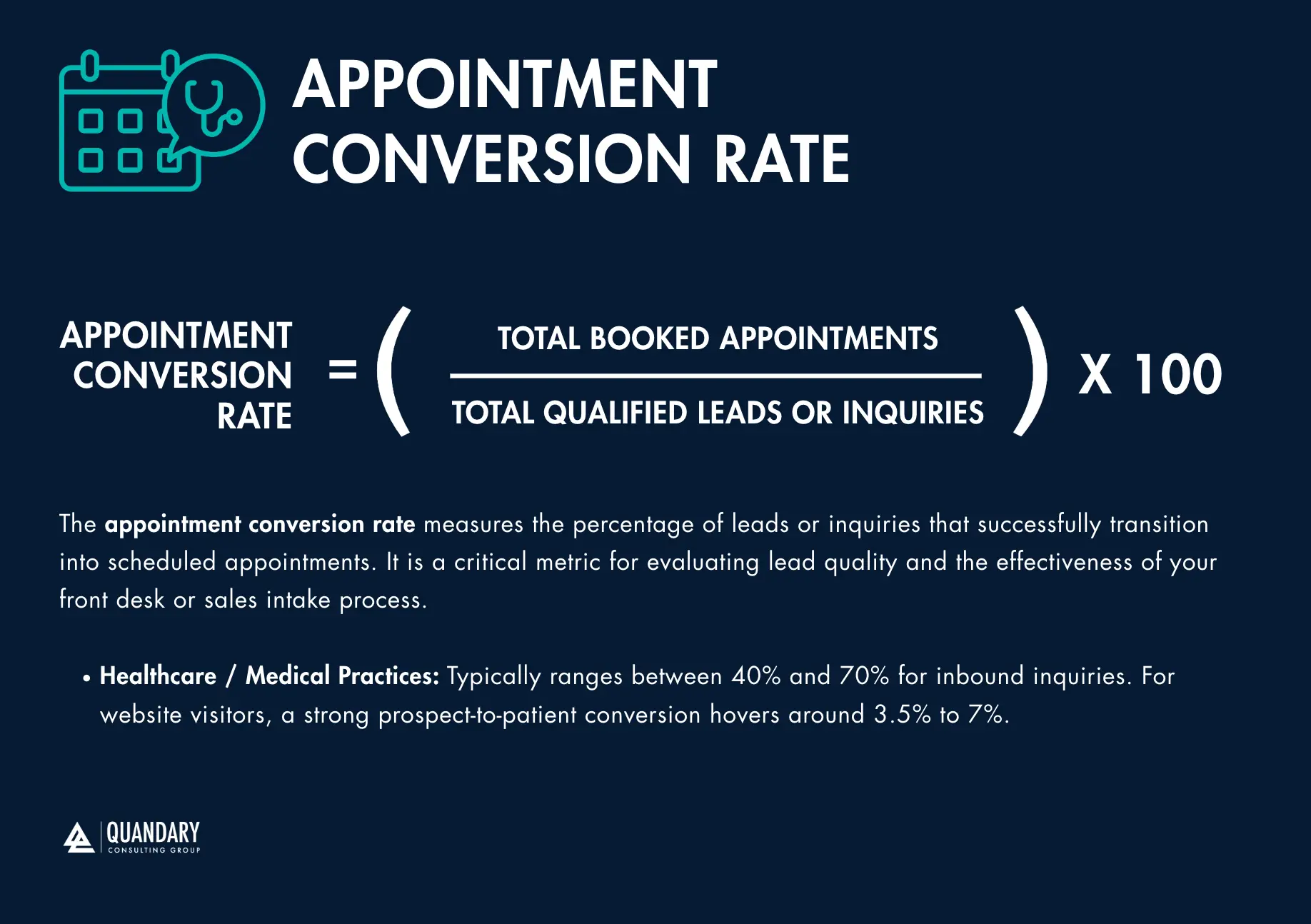
Historically, healthcare organizations focused on measuring call volumes, average handle time, and service levels without fully understanding whether those interactions actually resulted in patients receiving care. Appointment Conversion Rate shifts the focus from activity to outcomes by measuring how effectively the contact center fulfills its primary mission: helping patients access the services they need.
Several factors can negatively impact conversion rates, including lengthy wait times, disconnected scheduling systems, limited appointment visibility, manual insurance verification, referral delays, inconsistent call handling, and insufficient staff training. Patients frequently abandon the scheduling process when they encounter unnecessary friction, especially if multiple transfers or callbacks are required.
Artificial intelligence is transforming appointment scheduling by removing many of these obstacles. Rather than requiring patients to navigate multiple departments or repeat information several times, AI can authenticate callers, identify the purpose of their inquiry, verify insurance eligibility, recommend providers, and present available appointment options before a representative even joins the conversation.
Dialpad AI improves appointment conversion by providing:
- AI-powered virtual agents that schedule appointments 24 hours a day without requiring live staff
- Conversational AI that understands natural language requests such as, "I need to see a dermatologist next week."
- Automatic patient authentication before scheduling begins
- Real-time transcription and AI-generated summaries that eliminate repetitive documentation
- Intelligent agent assistance that recommends providers, appointment types, and scheduling options during live conversations
- Follow-up reminders delivered through SMS and other digital channels to reduce scheduling abandonment
Broadvoice GoContact supports higher conversion rates through:
- Omnichannel scheduling across voice, web chat, SMS, email, and digital messaging
- Intelligent skills-based routing that connects patients directly with the appropriate scheduling team
- AI-powered queue prioritization for high-value patient interactions
- Workforce optimization that ensures adequate staffing during peak scheduling periods
- CRM and scheduling platform integrations that provide representatives with a complete patient history before answering the call
When combined, these technologies create a more personalized and efficient scheduling experience that reduces patient effort while increasing provider utilization.
Real-World Healthcare Example
A patient visits a health system's website after receiving a referral for an orthopedic specialist. Rather than calling during business hours and waiting in a queue, the patient begins a conversation with an AI-powered virtual assistant integrated with Dialpad. The assistant confirms the patient's identity, reviews referral information, verifies insurance eligibility, identifies nearby specialists accepting new patients, and offers several appointment times.
The patient has questions about imaging requirements before the visit, so the interaction is seamlessly transferred to a scheduling specialist through Broadvoice GoContact. Because the representative receives the complete conversation history, there is no need for the patient to repeat information. The appointment is scheduled within minutes, confirmation is sent immediately by text message, and automated reminders are scheduled for the days leading up to the visit.
What might previously have required multiple phone calls and manual follow-up is completed during a single, connected interaction.
Healthcare Executive KPIs
Healthcare executives should monitor several related metrics to fully understand scheduling performance, including:
- Appointment Conversion Rate
- New patient scheduling rate
- Referral-to-appointment conversion
- Digital scheduling completion rate
- Average scheduling time
- Appointment abandonment rate
- Insurance verification completion rate
- Appointment no-show rate
- Patient wait time for available appointments
- Provider schedule utilization
Together, these metrics provide valuable insight into how efficiently patients move from initial inquiry to receiving care.
Healthcare Executive Insight
Appointment conversion is no longer simply a scheduling metric, it is a strategic indicator of patient access, operational efficiency, and financial performance. Healthcare organizations that leverage AI to streamline scheduling, automate administrative tasks, and create seamless omnichannel experiences can improve patient satisfaction while maximizing provider capacity and long-term revenue growth.
8. Call Transfer Rate
Few experiences are more frustrating for patients than being transferred repeatedly while trying to access care. Whether they are scheduling an appointment, requesting a prescription refill, asking about insurance coverage, or seeking information after a hospital discharge, patients expect healthcare organizations to resolve their concerns quickly and efficiently. Call Transfer Rate measures how frequently patient interactions are passed between representatives or departments before resolution.
Although some transfers are unavoidable, consistently high transfer rates often indicate broader operational challenges. Disconnected technology systems, unclear workflows, limited employee training, fragmented departmental responsibilities, and poor routing strategies all contribute to unnecessary transfers that increase patient effort and reduce operational efficiency.
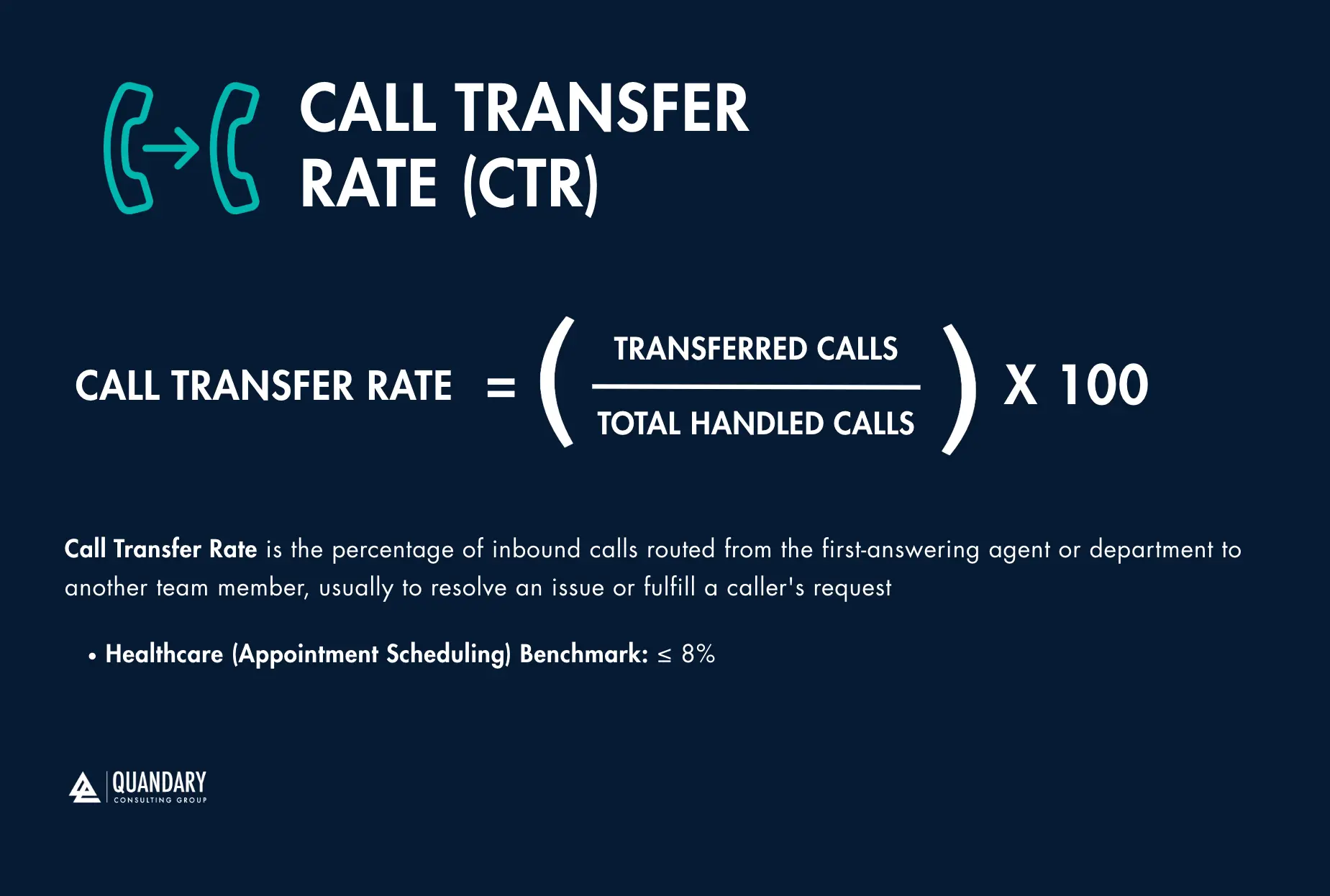
Each transfer introduces additional risk. Patients must often repeat personal information, explain their situation multiple times, wait in additional queues, and speak with representatives who lack context from previous conversations. These interruptions increase call duration, reduce First Call Resolution, contribute to higher abandonment rates, and ultimately diminish trust in the organization.
For healthcare leaders focused on improving patient experience, reducing unnecessary transfers has become a strategic priority. It not only improves operational efficiency but also creates a more personalized and connected patient journey.
Artificial intelligence significantly reduces transfers by ensuring that patients are directed to the appropriate resource from the very beginning of the interaction. Instead of routing calls based solely on menu selections, AI evaluates patient intent, previous interactions, language preferences, clinical service lines, and historical behavior to determine the most appropriate destination.
Dialpad helps reduce transfer rates by providing:
- AI-powered intent recognition that identifies the patient's needs early in the conversation
- Real-time agent assistance that surfaces answers before escalation becomes necessary
- Automatic conversation summaries that preserve context when transfers are unavoidable
- Live transcription that enables receiving representatives to immediately understand the patient's situation
- Knowledge recommendations that empower agents to resolve more inquiries independently
- AI-powered coaching that identifies training opportunities based on transfer patterns
Broadvoice GoContact further improves routing accuracy through:
- Intelligent skills-based routing
- AI-powered call distribution based on patient intent and representative expertise
- Omnichannel routing across voice, SMS, chat, and email
- CRM integration that provides complete interaction histories before the conversation begins
- Dynamic queue management that reduces unnecessary departmental handoffs
- Workforce optimization that ensures specialists are available when needed
These capabilities help ensure patients are connected with the right person the first time, significantly reducing the need for additional transfers.
Real-World Healthcare Example
A patient contacts a health system after receiving an unexpected hospital bill. Traditionally, the patient might first speak with a general operator, then be transferred to patient access, followed by revenue cycle, and finally to financial counseling. During each transfer, the patient repeats account information, explains the issue again, and waits in multiple queues.
After implementing AI-powered routing with Broadvoice GoContact, the system identifies the billing-related nature of the call during the first few seconds of the conversation. Based on patient history and account information, the call is routed directly to a financial services specialist. The representative already has access to the patient's interaction history, recent account activity, and AI-generated conversation context, allowing the issue to be resolved during a single interaction.
The patient experiences a smoother process, representatives spend less time gathering duplicate information, and the organization reduces average handle time while improving overall patient satisfaction.
Healthcare Executive KPIs
To evaluate routing effectiveness, healthcare organizations should monitor:
- Overall Call Transfer Rate
- First Call Resolution (FCR)
- Average transfers per interaction
- Escalation rate
- Repeat call rate
- Average Handle Time (AHT)
- Patient Satisfaction (CSAT)
- Queue-to-queue transfer frequency
- Department-specific transfer trends
- Percentage of transfers requiring patients to repeat information
Tracking these metrics together helps identify operational bottlenecks and opportunities to improve routing strategies across the contact center.
Healthcare Executive Insight
Reducing transfers is about far more than improving efficiency—it is about creating a patient experience that feels connected, informed, and effortless. AI-powered routing, intelligent agent assistance, and unified patient context enable healthcare organizations to eliminate unnecessary handoffs, empower frontline staff, and resolve more patient needs during the first interaction. As healthcare systems continue to modernize their contact centers in 2026, organizations that prioritize intelligent routing will be better positioned to improve patient loyalty, operational performance, and workforce productivity.
9. Agent Quality Score (AQS)
While operational metrics such as Average Handle Time and First Call Resolution measure efficiency, they do not fully capture the quality of patient interactions. Agent Quality Score (AQS) evaluates how effectively contact center representatives communicate with patients, follow organizational protocols, demonstrate empathy, maintain compliance, and resolve issues accurately. In healthcare, where every conversation may influence patient outcomes, regulatory compliance, and organizational reputation, quality has become just as important as speed.
For decades, healthcare contact centers have relied on manual quality assurance programs to evaluate employee performance. Supervisors would randomly select a small percentage of recorded calls each month, listen to the conversations, complete evaluation scorecards, and provide coaching based on those limited observations. While this approach provided valuable feedback, it left significant gaps. In many organizations, fewer than two percent of patient interactions were ever reviewed, meaning thousands of conversations went unanalyzed.
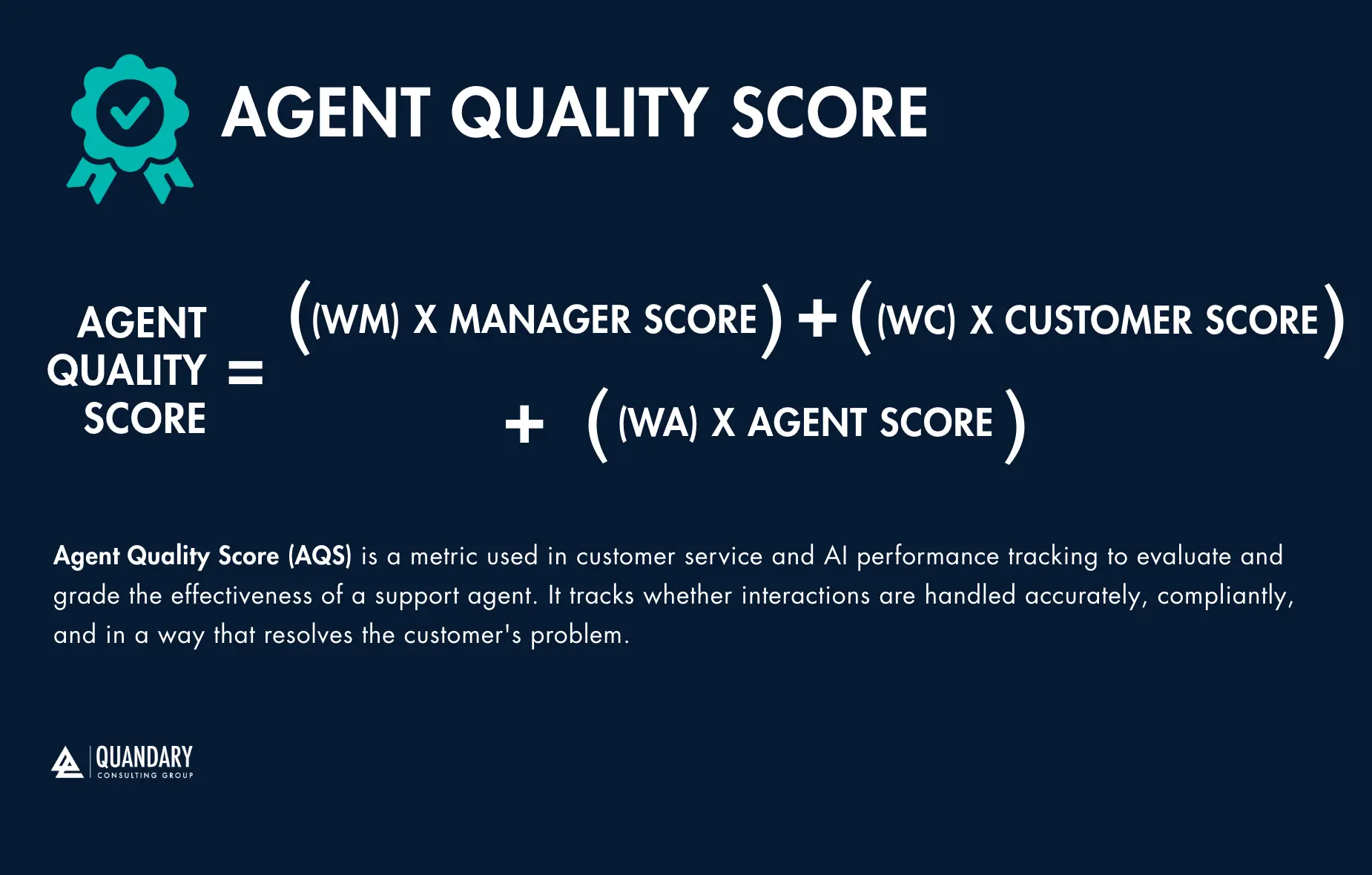
This limited visibility creates several challenges. Exceptional performance often goes unrecognized, coaching opportunities are missed, compliance risks may go undetected, and organizations lack the comprehensive data needed to identify systemic trends. Supervisors also spend countless hours manually reviewing recordings, making quality assurance both labor-intensive and reactive.
Artificial intelligence is fundamentally changing how healthcare organizations measure quality by enabling every interaction to be evaluated automatically. Instead of relying on random sampling, AI analyzes one hundred percent of patient conversations across every communication channel, providing leaders with a far more accurate and objective view of performance.
Beyond simply identifying errors, AI uncovers coaching opportunities, recognizes high-performing employees, detects compliance risks, and reveals recurring patient concerns that may require operational improvements. This allows managers to shift from reactive evaluations to continuous performance development.
Dialpad AI Healthcare delivers comprehensive conversation intelligence that strengthens quality management by providing:
- Automatic evaluation of every patient interaction using customizable quality scorecards
- AI-powered sentiment analysis to identify emotional tone and patient satisfaction
- Real-time coaching prompts that guide representatives during live conversations
- Speech analytics that detect keywords related to compliance, escalation, or patient risk
- Automatic conversation summaries that simplify quality reviews
- Trend analysis across departments, service lines, and individual representatives
- Personalized coaching recommendations based on recurring performance patterns
Managers no longer need to spend hours listening to recordings to identify coaching opportunities. Instead, AI highlights conversations that require attention while recognizing employees who consistently deliver exceptional service.
Broadvoice GoContact complements these capabilities by providing:
- Omnichannel quality monitoring across voice, chat, SMS, email, and digital messaging
- Workforce analytics that correlate quality scores with staffing levels and workload
- Performance dashboards that track quality trends over time
- Intelligent reporting that helps leaders compare performance across teams and locations
- Integrated workforce optimization tools that align coaching initiatives with organizational goals
Together, these platforms enable healthcare organizations to create a culture of continuous improvement while maintaining consistent patient experiences across every interaction.
Real-World Healthcare Example
A large academic medical center receives more than 20,000 patient interactions each week across scheduling, referrals, billing, and nurse advice lines. Previously, supervisors manually reviewed approximately twenty calls per representative each month, providing only a limited view of performance.
After implementing Dialpad AI, every interaction is automatically analyzed using AI-powered quality scorecards. The system identifies recurring opportunities related to empathy during billing conversations, inconsistent insurance verification procedures, and missed opportunities to educate patients about digital self-service tools.
Dialpad aggregates this information across the organization, allowing leadership to identify trends by department, service line, and location. Instead of coaching based on isolated examples, managers now deliver targeted training supported by objective data from thousands of real patient interactions.
Within months, patient satisfaction improves, compliance issues decline, and supervisors spend significantly less time conducting manual evaluations while providing more meaningful coaching.
Healthcare Executive KPIs
Healthcare organizations should evaluate quality using multiple performance indicators, including:
- Overall Agent Quality Score
- Compliance adherence rate
- Patient sentiment trends
- Empathy score
- First Call Resolution
- Escalation frequency
- Coaching completion rate
- Average quality score by department
- Representative improvement over time
- Patient Satisfaction (CSAT)
Monitoring these metrics together provides a comprehensive view of both employee performance and patient experience.
Healthcare Executive Insight
Quality assurance is no longer about reviewing a handful of recorded conversations—it is about continuously improving every patient interaction. Artificial intelligence enables healthcare organizations to evaluate performance at scale, identify coaching opportunities in real time, strengthen regulatory compliance, and empower employees to deliver more consistent, compassionate care. Organizations that embrace AI-powered quality management will be better positioned to improve patient trust while developing a stronger, more engaged workforce.
10. Cost Per Contact
Every healthcare organization faces increasing pressure to improve operational efficiency while continuing to deliver exceptional patient care. Rising labor costs, staffing shortages, growing administrative complexity, and tighter reimbursement models have made financial sustainability a top priority for executive leadership. As a result, Cost Per Contact has emerged as one of the most important metrics for evaluating the overall efficiency of healthcare contact center operations.
Cost Per Contact measures the total expense associated with resolving a single patient interaction. While many organizations calculate this using staffing expenses alone, leading healthcare systems recognize that the true cost extends much further. Technology investments, administrative documentation, quality assurance activities, training, workforce management, infrastructure, and follow-up communications all contribute to the total cost of every patient interaction.
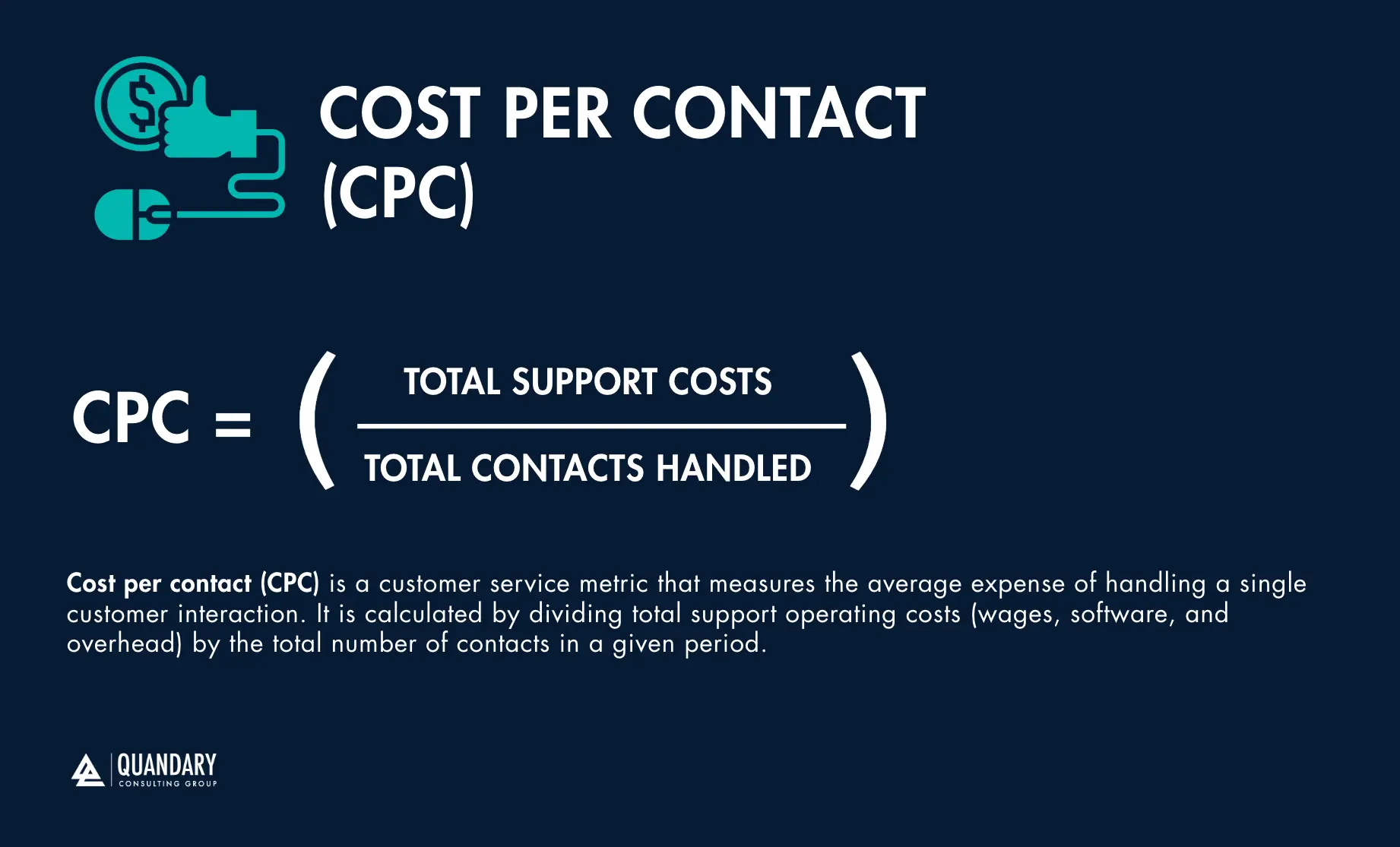
Reducing Cost Per Contact should never mean delivering less personalized service or encouraging representatives to end conversations prematurely. Instead, the goal is to eliminate unnecessary administrative work, automate repetitive processes, and ensure highly skilled employees spend their time solving problems that truly require human expertise.
Healthcare organizations frequently discover that a significant percentage of inbound interactions involve routine requests such as appointment scheduling, prescription refill status, office hours, directions, billing balances, insurance verification, and provider information. These inquiries consume valuable staff resources despite requiring relatively little clinical judgment.
Artificial intelligence allows organizations to automate many of these routine interactions while empowering representatives to focus on more complex patient needs. This not only reduces operational costs but also improves employee satisfaction by removing repetitive administrative work from their daily responsibilities.
Dialpad AI Healthcare helps reduce Cost Per Contact by:
- Deploying AI-powered virtual agents capable of resolving routine patient inquiries without human intervention
- Automatically generating call summaries that eliminate manual documentation
- Providing real-time knowledge recommendations that shorten research time
- Automating follow-up tasks and disposition codes
- Reducing after-call work through AI-powered transcription and conversation intelligence
- Improving First Call Resolution, reducing repeat contacts and unnecessary workload
These capabilities allow representatives to resolve more interactions during each shift while spending more time focused on patient care rather than administrative tasks.
Broadvoice GoContact further improves operational efficiency by providing:
- Intelligent workforce forecasting that aligns staffing with predicted demand
- Skills-based routing that minimizes unnecessary transfers
- Omnichannel engagement that shifts appropriate interactions toward lower-cost digital channels
- AI-powered queue optimization that balances workloads across departments
- Workflow automation that streamlines post-interaction administrative processes
- Comprehensive analytics that identify operational bottlenecks contributing to higher costs
Together, these capabilities enable organizations to improve productivity without compromising the quality of patient care.
Real-World Healthcare Example
A regional health network receives thousands of monthly calls related to appointment confirmations, prescription refill requests, insurance questions, and routine billing inquiries. Historically, nearly every interaction required assistance from a live representative, creating significant labor costs while limiting staff availability for more complex patient needs.
After implementing Dialpad AI Healthcare Agent, AI-powered virtual assistants begin handling appointment confirmations, provider directory requests, office hours, payment balance inquiries, and basic scheduling independently. Representatives now focus primarily on complex care coordination, financial counseling, and situations requiring empathy or clinical judgment.
At the same time, AI automatically documents every interaction, updates customer relationship management systems, triggers follow-up workflows, and sends confirmation messages without manual intervention. The organization reduces administrative workload, increases employee productivity, shortens patient wait times, and lowers the overall cost of serving each patient—all while maintaining high levels of patient satisfaction.
Healthcare Executive KPIs
Healthcare executives should evaluate Cost Per Contact alongside broader operational and financial indicators, including:
- Overall Cost Per Contact
- AI self-service containment rate
- Labor cost per interaction
- Average after-call work (ACW)
- Cost by communication channel
- First Call Resolution
- Repeat contact rate
- Agent productivity
- Patient Satisfaction (CSAT)
- Return on AI investment (ROI)
Evaluating these metrics together helps ensure efficiency improvements support both financial performance and exceptional patient experiences.
Healthcare Executive Insight
Reducing Cost Per Contact is not about replacing people with technology—it is about enabling healthcare professionals to work smarter. Artificial intelligence allows organizations to automate repetitive administrative tasks, improve workflow efficiency, and create more meaningful patient interactions without sacrificing quality or compassion. Healthcare leaders who view AI as a strategic productivity partner rather than simply a cost-reduction tool will be better positioned to improve financial performance, strengthen workforce engagement, and deliver a more accessible, patient-centered experience.
Bringing It All Together: AI Is Most Powerful When Connected Across the Enterprise
While AI can improve individual contact center metrics, the greatest value comes when it is integrated with the systems that power healthcare operations.
When platforms like Dialpad and Broadvoice GoContact are connected with electronic health records (EHRs), CRM systems, scheduling platforms, revenue cycle applications, and workflow automation tools, organizations create a unified patient engagement ecosystem.
For example:
- A patient calls to reschedule an appointment.
- An AI virtual agent authenticates the caller, identifies the reason for the call, and offers available appointment times.
- If a live agent is needed, the full conversation history is transferred automatically.
- After the call, AI generates a summary, updates the scheduling system, sends a confirmation text, and triggers follow-up workflows—without requiring additional manual effort.
This connected approach reduces administrative burden, shortens resolution times, and improves the experience for both patients and staff.
The Role of Quandary Consulting Group
Technology alone doesn't transform healthcare operations—strategy, integration, and adoption do.
At Quandary Consulting Group, we help healthcare organizations modernize patient engagement by designing AI-powered contact center ecosystems that integrate seamlessly with clinical and operational systems.
Our expertise includes:
- AI-powered contact center strategy
- Dialpad implementation and optimization
- Broadvoice GoContact deployments
- Intelligent workflow automation
- EHR and CRM integrations
- Patient access modernization
- Revenue cycle workflow optimization
- Workforce optimization and analytics
- AI governance and change management
Whether you're looking to reduce patient wait times, improve first-call resolution, increase scheduling efficiency, or create a more personalized patient experience, our team helps you move from disconnected processes to an intelligent, data-driven contact center.
One Final Thought
Healthcare contact centers are evolving from cost centers into strategic drivers of patient experience, operational excellence, and organizational growth.
In 2026, success is no longer defined by how quickly calls are answered. Leading organizations measure how effectively patient needs are resolved, how efficiently staff can work, and how intelligently AI supports every interaction.
By focusing on the right performance metrics—and leveraging platforms like Dialpad and Broadvoice GoContact—healthcare organizations can improve patient satisfaction, empower employees, and create measurable financial impact.
Organizations that embrace AI today will be better positioned to deliver accessible, efficient, and patient-centered care for years to come.
Additional Resources
DialPad
- DialPad Healthcare AI Agents
- DialPad Use Case | How Proliance Surgeons keeps 80+ care centers connected with Dialpad Support
- DialPad Use Case | Fenway Health switches over 600 employees to remote work
- DialPad Use Case | CareRev handles 20% month-over-month growth with Dialpad Support
Broadvoice
- Broadvoice GoContact
- Broadvoice Use Case | How GoContact Helps You Eliminate Healthcare IT Downtime
- Broadvoice's CX Webinar Series | Decoding AI in the CX: What Artificial Intelligence Actually Means for Your Contact Center
- Broadvoice Launches GoEngage and AI Analyst, Bringing Voice AI and Conversational Insights to GoContact
Quandary Consulting Group
- To schedule a Discovery Call with Quandary, please visit our contact us page
- How AI Agents Are Already Reshaping Healthcare Call Centers in 2026, QCG blog post by our CEO, Kevin Shuler
- Why AI Healthcare Platforms Need More Than Ambient Listening | The Importance of Integrated Clinical Communication and Documentation, LinkedIn Article by our CEO, Kevin Shuler
- 10 Healthcare Contact Center Challenges Broadvoice GoContact Can Solve Today, QCG blog post by our CEO, Kevin Shuler
Top FAQs about 2026 Healthcare Contact Center Metrics to Track
1. What are the most important healthcare contact center KPIs to track in 2026?
The most important healthcare contact center KPIs include
- First Call Resolution (FCR)
- Average Speed of Answer (ASA)
- Call Abandonment Rate
- Average Handle Time (AHT)
- Patient Satisfaction (CSAT)
- Agent Utilization
- Appointment Conversion Rate
- Call Transfer Rate
- Agent Quality Score (AQS)
- Cost Per Contact
Together, these metrics provide a comprehensive view of patient experience, operational efficiency, workforce performance, and financial health.
2. How is AI improving healthcare contact center performance?
Artificial intelligence improves healthcare contact centers by:
- Automating repetitive administrative tasks (ie., sending follow-up reminders about a appointment coming up)
- Intelligently routing patients to the appropriate representative
- Providing real-time coaching to agents
- Generating automatic call summaries
- Analyzing patient sentiment
- Forecasting staffing requirements
- Supporting virtual agents that can resolve routine inquiries 24/7
These capabilities reduce operational costs while improving both employee productivity and patient satisfaction.
3. What is a good First Call Resolution (FCR) rate for a healthcare contact center?
While benchmarks vary depending on the organization and service line, leading healthcare contact centers generally target a First Call Resolution rate between 80% and 90%.
Higher FCR rates often indicate well-integrated systems, knowledgeable representatives, and efficient workflows that allow patients to resolve their needs during the first interaction.
4. Why is Average Handle Time (AHT) no longer the most important contact center metric?
Average Handle Time remains an important operational metric, but it should never be evaluated in isolation. Shorter conversations do not necessarily indicate better service if patients must call back multiple times to resolve their issue.
Modern healthcare organizations focus on reducing administrative work through AI while improving First Call Resolution, Patient Satisfaction, and overall operational efficiency.
5. How can healthcare organizations reduce call abandonment rates?
Healthcare organizations can reduce call abandonment by implementing AI-powered virtual agents, intelligent callback options, skills-based routing, workforce optimization, and omnichannel self-service solutions. Platforms like Dialpad and Broadvoice help reduce wait times by resolving routine requests automatically and ensuring patients are connected to the appropriate representative as quickly as possible.
6. How do Dialpad and Broadvoice GoContact work?
Dialpad and Broadvoice provide complementary capabilities that create a modern AI-powered healthcare contact center.
- Dialpad Healthcare AI Agents deliver conversational AI, real-time transcription, AI-generated call summaries, agent coaching, and sentiment analysis.
- Broadvoice GoContact provides omnichannel communications, intelligent routing, workforce optimization, and customer experience management.
Both companies help healthcare organizations improve patient access, employee productivity, and operational performance.
7. What healthcare workflows can AI automate in a contact center?
Artificial intelligence can automate many high-volume administrative workflows, including:
- Appointment scheduling and confirmations
- Insurance eligibility verification
- Prescription refill requests
- Referral management
- Patient registration
- Billing and payment inquiries
- Provider directory searches
- Appointment reminders
- Follow-up communications
- Frequently asked patient questions
Automating these routine interactions allows employees to focus on more complex patient needs that require empathy, clinical judgment, or personalized assistance.
8. Will AI replace healthcare contact center agents?
No. AI is designed to augment—not replace—healthcare professionals. The most successful healthcare organizations use AI to eliminate repetitive administrative work while empowering representatives with better information, real-time guidance, and intelligent automation. This enables employees to spend more time helping patients and less time navigating systems or completing manual documentation.
9. What is a good Patient Satisfaction (CSAT) score for a healthcare contact center?
Many high-performing healthcare organizations strive to maintain a Patient Satisfaction (CSAT) score above 90%.
AI-powered sentiment analysis, intelligent routing, reduced wait times, and personalized patient interactions can all contribute to higher satisfaction scores while improving overall patient loyalty and trust.
10. How can healthcare organizations improve appointment conversion rates?
Improving appointment conversion begins with reducing friction throughout the patient journey. Organizations can increase conversion rates by offering AI-powered scheduling, verifying insurance automatically, integrating scheduling systems with electronic health records (EHRs), reducing transfers, providing omnichannel scheduling options, and sending automated confirmations and reminders. Faster scheduling processes improve patient access while increasing provider utilization and downstream revenue.
11. What is the ROI of implementing AI in a healthcare contact center?
The return on investment from AI depends on the organization's size, maturity, and implementation strategy, but common benefits include reduced administrative labor, lower Cost Per Contact, improved First Call Resolution, shorter wait times, increased patient satisfaction, higher appointment conversion rates, improved workforce productivity, and better employee retention. Many organizations also realize financial gains through increased provider utilization and reduced patient leakage.
12. What systems should integrate with an AI-powered healthcare contact center?
To maximize the value of AI, healthcare contact centers should integrate with core operational systems, including:
- Electronic Health Records (ie., Epic, Oracle Health, Cerner Healthcare, MEDITECH, Athena Health, etc.)
- Customer Relationship Management (CRM) platforms
- Patient scheduling systems
- Revenue cycle management solutions
- Workforce management software
- Billing and payment platforms
- Identity and access management systems
- Business intelligence and analytics tools
- Workflow automation platforms (such as Workato)
Connected systems provide representatives with complete patient context while enabling AI to automate workflows across the enterprise.
13. How can healthcare organizations measure the success of AI in their contact center?
Organizations should evaluate AI using both operational and business outcomes rather than focusing on technology adoption alone. Key performance indicators include:
- First Call Resolution (FCR)
- Average Speed of Answer (ASA)
- Call Abandonment Rate
- Average Handle Time (AHT)
- Patient Satisfaction (CSAT)
- Appointment Conversion Rate
- Agent Quality Score
- Cost Per Contact
- Employee engagement
- AI self-service containment rate
- Return on investment (ROI)
Tracking these metrics together provides a holistic view of how AI is improving patient access, workforce performance, and financial outcomes.
14. Is AI (or an AI Agent') in healthcare contact centers HIPAA compliant?
Yes, AI can be deployed in a HIPAA-compliant manner when organizations implement appropriate safeguards. This includes using platforms that support encryption, role-based access controls, audit logging, secure data handling, and Business Associate Agreements (BAAs) where applicable.
Healthcare organizations should also establish AI governance policies aligned with HIPAA requirements and frameworks such as the NIST AI Risk Management Framework (AI RMF).
For Health Information Privacy Regulations, please visit US Health and Human Services department's page, Health Information Privacy
15. Why should healthcare organizations partner with Quandary Consulting Group?
Quandary Consulting Group helps healthcare organizations modernize patient engagement by combining strategic consulting with deep expertise in AI, workflow automation, systems integration, and contact center transformation. As partners with leading technology providers—including Dialpad, Broadvoice, Workato, Anthropic Claude, TrackVia, Microsoft, Pipfy and Quickbase.
Quandary designs and implements intelligent healthcare contact center solutions that improve patient access, optimize workforce performance, reduce administrative burden, and deliver measurable business outcomes.