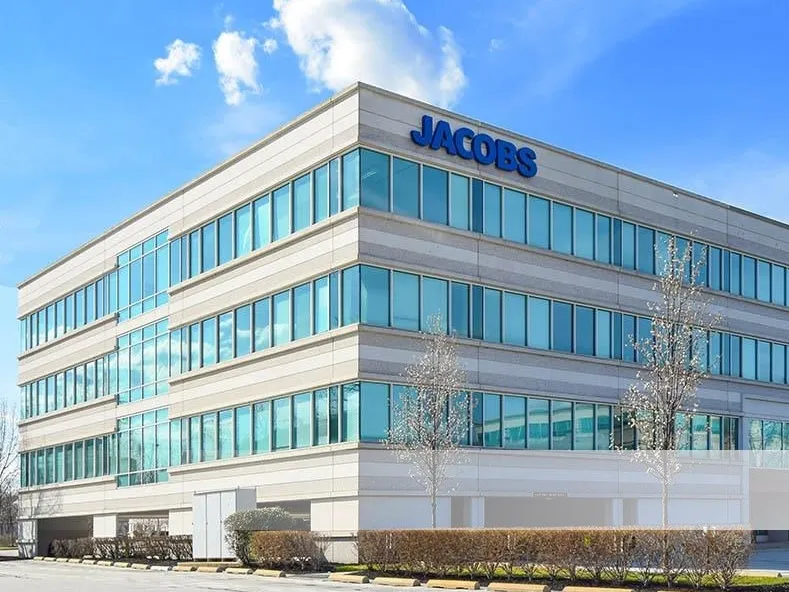
Jacobs Saves $72K Annually With Custom Invoice Workflow Automations Using Workato + Quickbase
The Client Profile: Jacobs
Jacobs is a global professional services company delivering consulting, technical, scientific, engineering, and project delivery expertise to help solve complex infrastructure, environmental, manufacturing, and operational challenges. The company serves government and private-sector clients across large-scale, technically demanding programs where safety, compliance, financial oversight, and operational efficiency are critical.
Within its facilities maintenance and construction operations, Jacobs coordinates high-volume services, equipment rentals, procurement activities, and vendor relationships across multiple locations nationwide. Managing these complex programs required a scalable procurement infrastructure capable of supporting thousands of vendors while maintaining accurate invoice processing, strong compliance controls, and visibility across the procure-to-pay lifecycle.
The Challenges
Managing Invoices Across 5,000+ Vendors
Jacobs worked with more than 5,000 vendors supporting facilities services, construction projects, equipment rentals, and other operational requirements. Each vendor relationship introduced its own data and administrative requirements, including:
- Vendor contact information
- Multiple remittance addresses
- Payment information
- Certification documentation
- Qualification status
- Federal compliance requirements
- Purchase orders
- Invoices
Despite the size and complexity of its vendor ecosystem, many critical procurement and invoice processes remained dependent on email and manual data entry.
Purchase orders were distributed through email. Vendors submitted invoices through inconsistent channels. Buyers sometimes received invoices directly. Jacobs employees then had to manually sort, reorganize, and re-enter information before invoices could move through the payment process. In addition, Jacobs also relied on an external data-entry provider to process portions of its invoice workload. At the scale of 5,000+ vendors, these manual processes created significant operational and financial consequences.
Fragmented Invoice Processing Created Data Loss and Payment Delays
Without a centralized vendor invoice management system, Jacobs' procurement teams struggled to maintain consistent visibility throughout the invoice lifecycle. The existing process resulted in:
- Lost or incomplete invoice data
- Duplicate vendor information
- Inconsistent invoice tracking
- Multiple invoice submission channels
- Manual invoice sorting
- Repetitive data entry
- Payment processing delays
- Misapplied payments
- Missed early-payment discounts
- Late-payment fees
- Increased risk of human error
- Dependence on third-party data-entry services
These inefficiencies weren't simply an administrative inconvenience. They were creating measurable financial leakage. Late invoices represented approximately 20–30% of total invoice volume, while invoice processing could take more than 60 days, and at the same time, Jacobs was spending approximately $6,000 every month on third-party invoice data entry. The company needed to fundamentally redesign its procurement and invoice management process.
Centralizing Invoice Processing and Procurement Across 5,000+ Vendors
Managing invoices at Jacobs' scale required more than converting manual processes into digital ones. The company needed to connect the entire procurement and invoice lifecycle within a single, automated workflow: Vendor → Compliance → Purchase Order → Invoice → Validation → Accounting → Payment
The new system needed to centralize and manage 5,000+ vendor records while standardizing invoice submission, enforcing vendor compliance requirements, automating invoice routing, and integrating directly with Jacobs' existing accounting environment. The platform also needed to provide real-time visibility into invoice and payment status, eliminate repetitive data entry, support multiple vendor remittance addresses, and accelerate processing across high transaction volumes.
Quandary Consulting Group addressed these requirements with a custom Quickbase and Workato procurement automation solution, creating a scalable foundation for centralized vendor management, electronic invoicing, compliance controls, and accounts payable automation
The Client's Testimonial
– “Using our new online portal to process invoices has been easy and intuitive. The portal provides an excellent overview of all necessary invoice components—including purchase orders, calculations, and contact information. Compared to other large-name invoicing platforms, this system has been a joy to use. I would recommend it to any company looking for an efficient and reliable way to transact with their customers.”
- Whitney Villalobos, Senior Project Manager, Jacobs
The Solution
Quickbase and Workato Procurement Automation
Quandary Consulting Group began with a comprehensive procurement workflow and business process assessment of Jacobs' existing environment. The team analyzed how vendor information, purchase orders, invoices, compliance documentation, and payment data moved through the organization.
The assessment identified fragmented email communication and manual data handling as major sources of data loss, processing delays, errors, and unnecessary costs and rather than automating isolated tasks, Quandary redesigned the underlying workflow and developed a centralized vendor management and invoice automation platform powered by Quickbase and Workato.
- Quickbase served as the centralized application and data management layer, bringing vendor, compliance, purchase order, and invoice information into one structured environment.
- Workato provided the integration and workflow automation capabilities required to connect the platform with Jacobs' existing accounting processes and automate the movement of critical financial data.
Together, the technologies created an integrated procurement workflow: Vendor Management → Compliance Validation → Purchase Order → Vendor Portal → Electronic Invoice → Automated Processing → Accounting System → Payment
1,000+ Electronic Invoices Submitted in the First Three Months
Vendor adoption occurred quickly and within the first three months following launch, more than 1,000 electronic invoices were successfully submitted through the new Jacobs vendor portal. This early volume demonstrated the platform's ability to support high-volume vendor activity while shifting invoice processing away from fragmented email-based workflows; in addition, this also established the foundation for eliminating Jacobs' dependence on external invoice data-entry services.
Quickbase Creates a Single Source of Truth for 5,000+ Jacobs Vendors
Quandary centralized Jacobs' vendor information within a custom Quickbase vendor management application. The platform gave procurement teams one structured environment for managing information across more than 5,000 vendors. Now, vndor records that were able to be included:
- Primary contact information
- Multiple remittance addresses
- Payment details
- Certification documentation
- Compliance records
- Qualification status
- Purchase order eligibility
- Purchase order history
- Invoice information
Previously fragmented vendor data from spreadsheets and legacy programs was consolidated and reconciled within the new system and this resulted in a single source of truth for Jacobs' vendor and procurement data, improving accuracy while reducing the administrative burden associated with maintaining information across disconnected systems.
A Custom Vendor Portal Standardizes Electronic Invoice Submission
One of the most important changes was the creation of a secure online vendor invoicing portal. Instead of invoices arriving through multiple email channels, Jacobs' vendors gained a standardized digital process for submitting invoices electronically. The portal also provided visibility into the information required to successfully complete an invoice, including:
- Purchase order information
- Invoice calculations
- Contact information
- Required invoice components
Rather than Jacobs' procurement employees spending time locating, sorting, reorganizing, and manually entering invoices received through different channels, information entered the process through a controlled digital workflow, this standardized the beginning of the invoice lifecycle.
Workato Connects Quickbase With Jacobs' Accounting Environment
Centralizing invoices in Quickbase was only one part of the solution, because invoice and procurement information also needed to move efficiently into Jacobs' existing accounting environment.
Quandary used Workato integration and workflow automation to connect the Quickbase platform with Jacobs' accounting processes. Historical information was migrated into the new environment to preserve continuity, while automated integrations reduced the need for employees to manually transfer invoice information between systems, as a result, Workato helped enable:
- Automated invoice data movement
- Accounting system synchronization
- Reduced manual data re-entry
- More consistent financial information
- Faster downstream invoice processing
The integration transformed Quickbase from an isolated application into part of a connected procure-to-pay automation ecosystem for Jacobs.
Automated Invoice Routing and Status Tracking
The platform automated key stages of Jacobs' accounts payable workflow after an invoice was submitted. Invoices were routed through the appropriate processes while procurement teams gained greater visibility into invoice status and payment progress and now, instead of searching through email threads to determine whether an invoice had been received, reviewed, or processed, Jacobs employees could access centralized information within the platform. This improved transparency for both internal procurement teams and external vendors.
Vendor Compliance Connected Directly to Purchase Order Governance
For Jacobs, procurement efficiency couldn't come at the expense of compliance because many vendors were subject to specific certification and federal compliance requirements. This lead to Quandary incorporating these requirements directly into the procurement workflow
The system connected vendor certification status with purchase order eligibility. For example, if a vendor failed to meet required compliance standards, the system could prevent a purchase order from being issued. This established a direct relationship between: Vendor Certification → Compliance Status → PO Eligibility. For Jacobs, this meant that instead of relying entirely on employees to manually verify compliance before issuing a purchase order, Jacobs could embed the control directly into its procurement process.
Automated Compliance Controls Reduce Invalid Invoice Activity
Compliance automation also strengthened downstream invoice processing by identifying non-compliant vendor activity earlier in the procurement lifecycle, Jacobs could reduce the likelihood of invoices progressing through the system when underlying requirements had not been satisfied. The automated controls helped:
- Identify non-compliant invoices earlier
- Reduce payment disputes
- Prevent unauthorized vendor activity
- Improve procurement governance
- Increase vendor accountability
- Provide clearer visibility into compliance status
Rather than treating compliance as a separate administrative exercise, Jacobs incorporated it directly into the vendor-to-payment workflow.
Eliminating Third-Party Invoice Data Entry
Before implementation, Jacobs relied on an external service to support invoice data entry. That service cost approximately: $6,000 Per Month. By standardizing electronic invoice submission and automating the movement of invoice data, Jacobs was able to eliminate this recurring expense.
That translated into approximately:$72,000 in Annual Cost Savings The savings came from eliminating a specific recurring third-party processing cost and instead of simply digitizing an existing process, the Quickbase and Workato solution removed manual work that previously required an ongoing external service.
The Results
Jacobs Saves $72,000 Annually and Cuts Invoice Processing by 40+ Days
The Quickbase and Workato solution delivered measurable improvements across Jacobs' procurement, vendor management, invoice processing, compliance, and financial operations. Three results stand out:
- $72,000 in annual third-party processing costs eliminated
- Invoice processing reduced from 60+ days to fewer than 20 days
- Late invoices reduced from 20–30% to less than 1%
Together, these results demonstrate the impact of modernizing the entire procurement workflow rather than automating an isolated administrative task.
Invoice Processing Drops From 60+ Days to Under 20 Days
Before modernization, Jacobs' invoice processing cycle could exceed 60 days and immediately following implementation, processing time fell to fewer than 20 days. That represents a reduction of more than 40 days in the invoice processing lifecycle.
Faster processing enabled Jacobs to move invoices through review and payment more efficiently while reducing the financial and operational consequences associated with lengthy delays.
Late Invoices Fall From 20–30% to Less Than 1%
The improvement in late invoices was even more significant. Before implementation, approximately 20–30% of invoice volume was late. and immediately following implementation, that figure fell to less than 1%.
Centralized electronic invoice submission, automated workflows, improved tracking, and greater process visibility gave Jacobs' procurement teams significantly stronger control over the invoice lifecycle. This helped reduce late-payment exposure while improving the overall reliability of vendor payment operations.
Jacobs Eliminates $72,000 in Annual Invoice Processing Costs
Eliminating approximately $6,000 per month in third-party data-entry expenses produced an annualized cost reduction of $72,000 per year. Automation allowed Jacobs to replace outsourced manual processing with a scalable digital workflow and the company didn't simply move invoices online—it eliminated a recurring third-party expense by automating the underlying process.
Improved Vendor Data Accuracy
Quandary also consolidated and reconciled duplicate vendor information from spreadsheets and legacy applications. Creating one centralized vendor database reduced conflicting records and gave Jacobs' procurement teams a more reliable foundation for managing 5,000+ vendor relationships. This improve in accuracy was able to strengthened both operational efficiency and data integrity.
Faster, More Controlled Procurement Operations
The new platform gave Jacobs employees greater visibility into vendor status, compliance, purchase orders, invoices, and payment progress. Rather than coordinating activity through fragmented email conversations, procurement teams could manage work through standardized digital workflows.
Jacobs gained a procurement environment that was:
- More transparent
- More standardized
- More scalable
- More accurate
- Easier to govern
- Less dependent on manual intervention
A Better Digital Experience for Jacobs Vendors
The transformation also improved the vendor experience overall. The new online invoicing portal gave vendors a structured and intuitive way to transact with Jacobs. As one portal user described the experience,
“Using our new online portal to process invoices has been easy and intuitive. The portal provides an excellent overview of all necessary invoice components—including purchase orders, calculations, and contact information.”
Early adoption reinforced that feedback, with more than 1,000 electronic invoices submitted during the first three months following launch.
Jacobs Transforms Email-Based Invoice Processing Into Enterprise Procurement Automation
Managing procurement and invoice processing across more than 5,000 vendors through fragmented email workflows was no longer sustainable for Jacobs. Quandary Consulting Group combined business process optimization, custom Quickbase development, Workato integration, vendor portal development, procurement automation, and compliance workflow automation to create a connected vendor management and invoicing environment.
Quickbase centralized Jacobs' vendor, purchase order, compliance, and invoice information. Workato connected the platform with the company's accounting environment and automated the movement of critical financial data. The resulting platform created a connected workflow spanning vendor qualification, compliance validation, purchase order issuance, electronic invoice submission, accounting integration, and payment processing.
Most importantly, Quandary Consulting Group's Quickbase and Workato procurement automation custom workflow solution delivered for Jacobs:
- $72,000 in annual cost savings
- $6,000 per month in third-party invoice data-entry costs eliminated
- 5,000+ Jacobs vendors centralized within a structured management system
- 1,000+ electronic invoices submitted during the first three months
- Invoice processing reduced from 60+ days to fewer than 20 days
- More than 40 days removed from the invoice processing cycle
- Late invoices reduced from 20–30% to less than 1%
- Centralized vendor and procurement data
- Electronic vendor invoice submission
- Automated invoice routing and tracking
- Quickbase-to-accounting integration using Workato
- Reduced duplicate and manual data entry
- Improved vendor data accuracy
- Automated vendor compliance controls
- Compliance-based purchase order eligibility
- Improved invoice and payment visibility
- Reduced risk of lost invoices
- Reduced payment delays
- Stronger procurement governance
- Improved vendor accountability
This resulted in a scalable procurement and invoice automation platform that gave Jacobs greater financial control, stronger compliance oversight, faster invoice processing, improved vendor accountability, and a more efficient foundation for high-volume procurement operations.
Our Latest Projects

Services
Industries
© 2026 Quandary Consulting Group 2026. All Rights Reserved.
Privacy Policy